
Part 107 Drone License: What Employers Should Verify
Hiring a pilot who says they hold a part 107 drone license is not enough. Employers need to verify the certificate, the pilot’s current eligibility to exercise its privileges and whether the planned operation actually fits within FAA Part 107 rules. For survey firms, utilities, emergency services and drone operators managing contractors, that verification should be a repeatable compliance process rather than an informal pre-job question.
In FAA language, the credential is a Remote Pilot Certificate with a small UAS rating. Many people call it a licence, but the legal detail matters because the certificate does not automatically authorise every drone job, every location or every flight profile. This article focuses on what an employer should check before assigning work in the United States, using official FAA sources as the baseline.
Why employers cannot treat the certificate as paperwork
Under FAA Part 107 rules, most non-recreational small UAS operations in the US require a Remote Pilot in Command who either holds the correct certificate or directly supervises the person manipulating the controls. That makes the pilot credential a business risk control, not just an HR record.
A valid part 107 drone license does not replace operational planning. A certificate holder still needs to comply with airspace restrictions, operational limits, aircraft registration rules, Remote ID requirements, weather minimums, visual line of sight rules and any waiver conditions that apply to the job.
For employers, the practical question is simple: if an incident, client audit or FAA inquiry happens, can you show that the pilot, aircraft and mission were all properly checked before take-off? If the answer depends on a message in a contractor’s inbox, your process is too thin.
part 107 drone license verification checklist for employers
Start with a standard checklist that separates pilot eligibility from mission approval. This avoids the common mistake of verifying a person once at onboarding and assuming every later operation is covered.
| What to verify | Evidence to request | Why it matters |
|---|---|---|
| Identity match | Government ID and Remote Pilot Certificate details | Confirms the person assigned is the certificate holder |
| Certificate type | Remote Pilot Certificate with small UAS rating | Confirms the FAA credential is relevant to Part 107 operations |
| Certificate status | FAA Airmen Registry where available, plus pilot-provided documentation | Helps confirm the certificate is not simply claimed verbally |
| Recurrent training currency | FAA recurrent training completion record or applicable knowledge test evidence | Shows the pilot is current to exercise Part 107 privileges |
| Operational permissions | Airspace authorisation, waiver, client site approval or internal job approval | Confirms the specific mission is permitted |
| Aircraft compliance | FAA registration, Remote ID compliance and maintenance records | Shows the aircraft can be used lawfully and safely |
| Insurance and contracts | Certificate of insurance and scope of work | Aligns legal responsibility with the job being performed |
This table is not a substitute for legal advice, and employers should always confirm current FAA wording before approving work. It is, however, a practical baseline for reducing avoidable compliance gaps.
Confirm identity and certificate status
Ask the pilot to provide their Remote Pilot Certificate details and a government-issued ID so the names match. Where practical, check the FAA Airmen Registry or use FAA channels and pilot-provided records to validate the credential. Be aware that public registry visibility and timing can vary, so the employer’s file should show what was checked, when it was checked and who approved the pilot.
A part 107 drone license claim should never be accepted from a website bio, proposal document or email signature alone. Contractors and employees should expect to provide evidence in the same way a driver may need to provide a driving licence for vehicle-based work.
Check recurrent training currency
The FAA certificate itself is not the only issue. Remote pilots must keep their aeronautical knowledge current. The FAA explains its current pathway for becoming and staying qualified on its commercial drone pilot page, including recurrent training requirements.
For employer verification, request the pilot’s recurrent training completion documentation or other applicable FAA evidence showing currency. Store the completion date and set a review reminder. A pilot may hold the certificate but be unable to lawfully exercise privileges if they have not met recurrent requirements.
Identify the Remote Pilot in Command
Every job should name the Remote Pilot in Command before the aircraft launches. If another person will manipulate the controls under supervision, document how direct supervision will work, who has final authority and how communication will be maintained.
This is especially important for larger organisations where a project manager, asset owner and drone team may all be involved. A part 107 drone license belongs to an individual, but the employer needs an auditable operational chain for each flight.
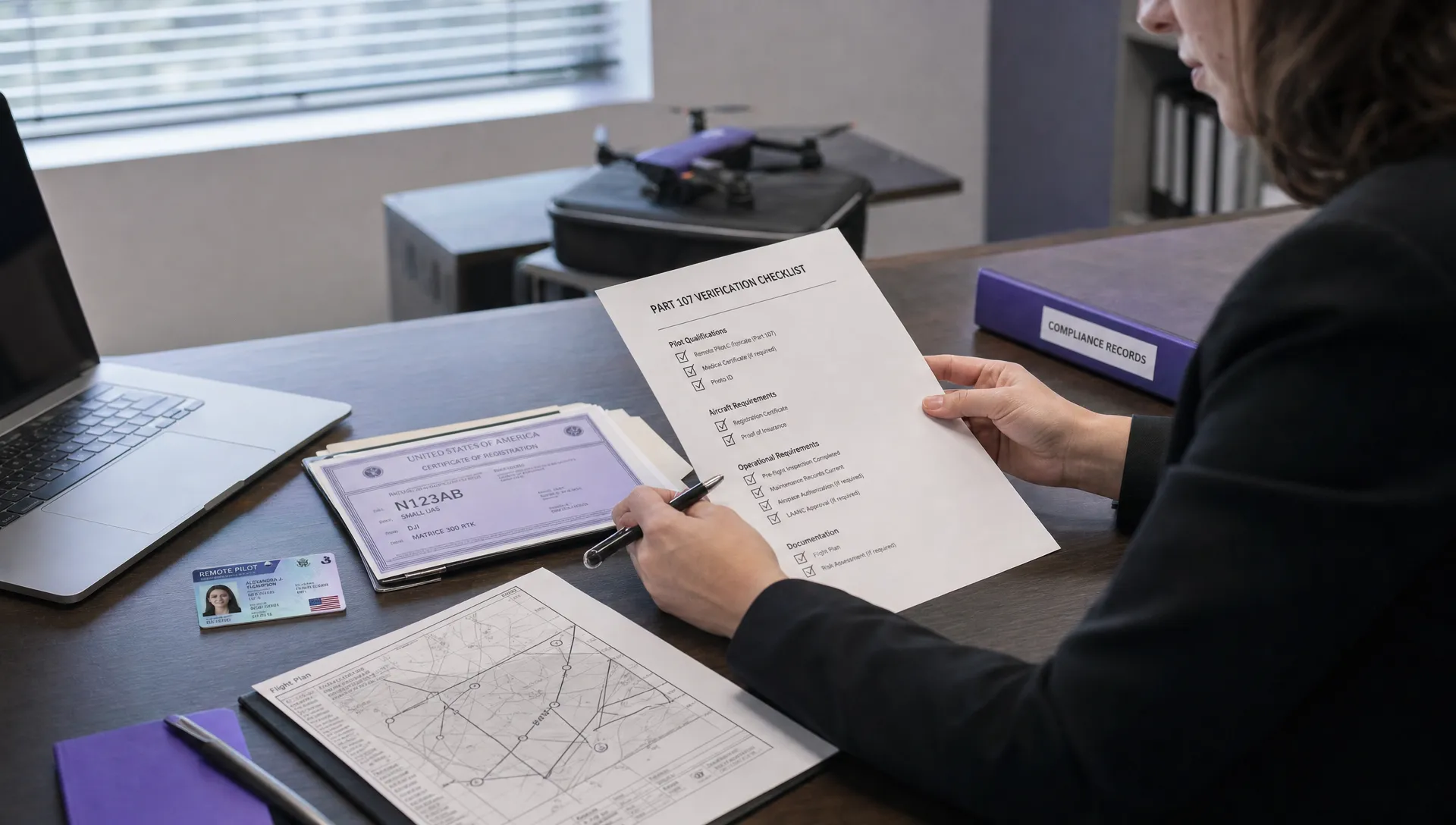
Verify the operation, not only the pilot
The biggest employer mistake is treating pilot verification as a one-time gate. In reality, Part 107 compliance depends on the specific aircraft, site, airspace, payload, people nearby, time of day and mission profile.
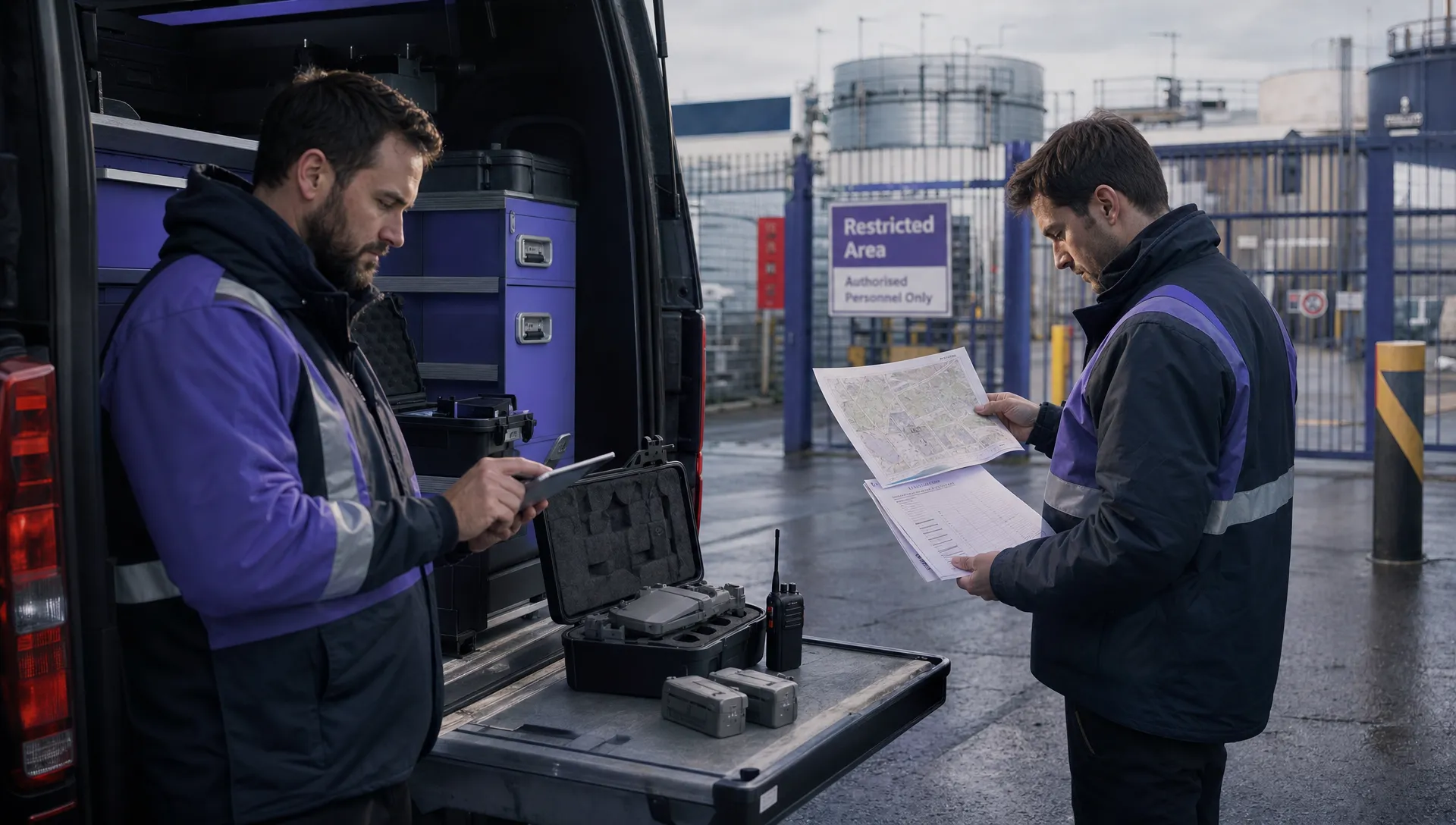
If you are assigning work near airports, critical infrastructure, roads, construction sites or emergency scenes, build a job-level review into your process. Dronedesk has a separate guide on planning drone flights near airports without surprises, which is useful context when controlled airspace is part of the mission.
Aircraft registration and Remote ID
The FAA states that drones must be registered unless they meet a narrow recreational exception. In practice, aircraft used for Part 107 work should have FAA registration records available through DroneZone and display the registration marking as required. FAA drone registration guidance is available on its register your drone page.
Remote ID is also a core employer check. The FAA’s Remote ID guidance explains that drones requiring registration generally need to comply unless an FAA-recognised exception applies. Employers should confirm whether the aircraft has Standard Remote ID built in, uses a compliant broadcast module or is operating under a valid exception.
A part 107 drone license does not make an unregistered or non-compliant aircraft acceptable for commercial work. Pilot, aircraft and mission all need to line up.
Airspace authorisation and site control
Part 107 operations in controlled airspace usually require FAA airspace authorisation. Many routine authorisations are handled through LAANC, but not every mission fits the automated process.
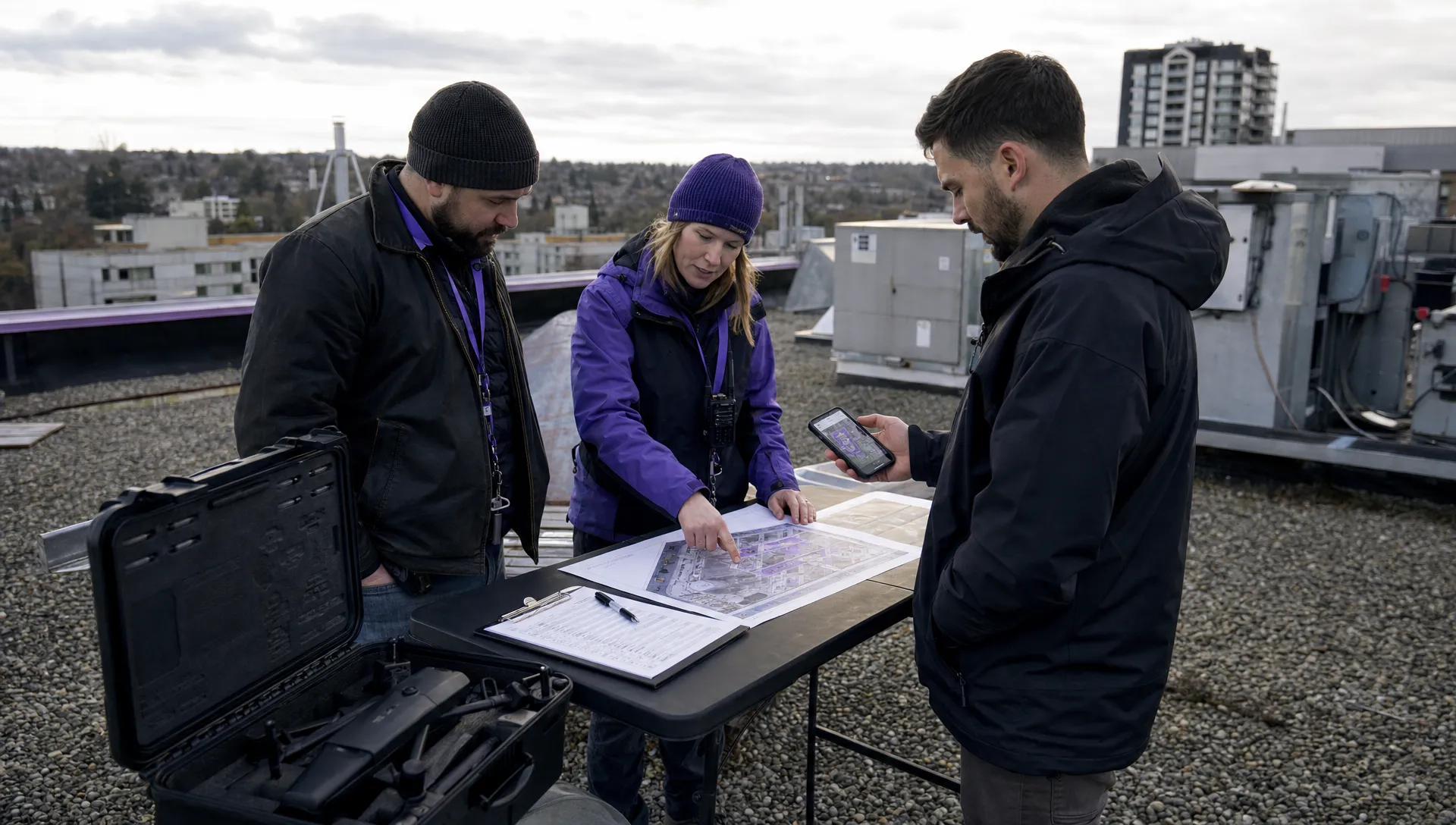
Employers should collect the authorisation record before the flight, match it to the intended location and altitude, then keep it with the job file. For utility inspections, emergency response support and survey work, also confirm site access, client permission, local restrictions, data handling rules and any coordination with public agencies.
Waivers and operations outside standard limits
Some operations may require additional FAA approval or a different operating basis. Common examples include certain beyond visual line of sight flights, some operations over people or moving vehicles and missions that exceed standard Part 107 limits.
Do not assume a contractor’s general certificate covers these scenarios. If the work relies on a waiver, exemption or authorisation, ask for the document, read the conditions and make sure the proposed flight matches those conditions. If the job involves a formal risk assessment, Dronedesk’s article on building a drone flight risk assessment that works is a useful companion resource.
Documents employers should collect before onboarding
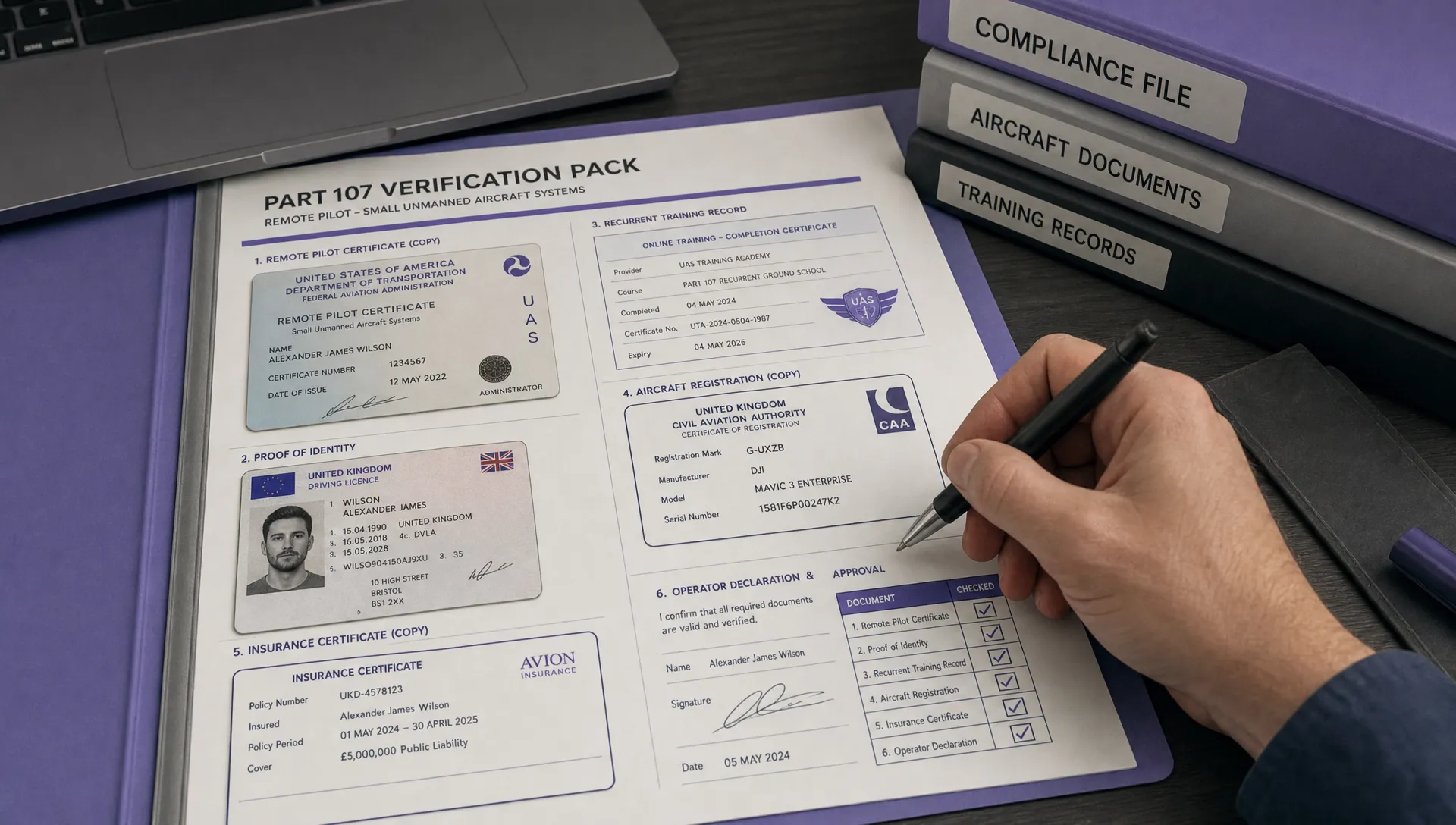
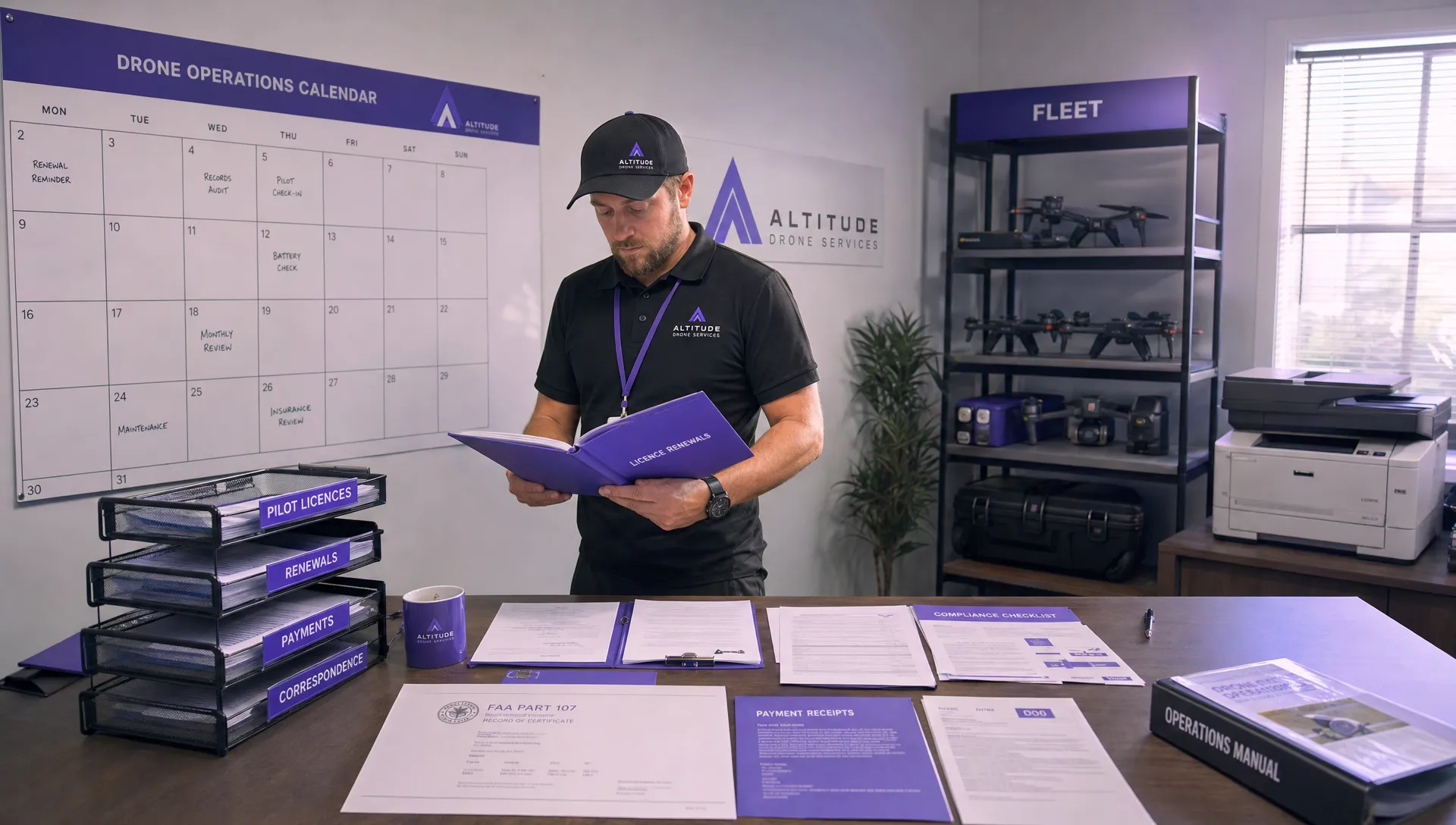
A clean onboarding pack makes later job approval much faster. For employees, store these records in the personnel or operations compliance system. For contractors, require them before purchase orders or field deployment.
Useful documents include the Remote Pilot Certificate details, recurrent training evidence, proof of identity, insurance certificate, aircraft registration, Remote ID compliance evidence, maintenance or inspection records, standard operating procedures, emergency response process and sample flight logs.
For a part 107 drone license holder who will work on sensitive infrastructure or emergency services tasks, add data governance checks. Employers may need to verify how imagery is stored, who can access it, how long it is retained and whether any client-specific security requirements apply.
The goal is not to drown pilots in admin. It is to separate low-friction routine checks from mission-specific approvals so field teams are not improvising compliance at the launch site.
Ongoing controls for employees and contractors
Verification should not end after onboarding. Create a cadence for periodic re-checks, especially for recurrent training, insurance, aircraft registration and operational authorisations. The review interval can depend on your risk profile, but high-volume operators should avoid annual manual clean-ups as their only control.
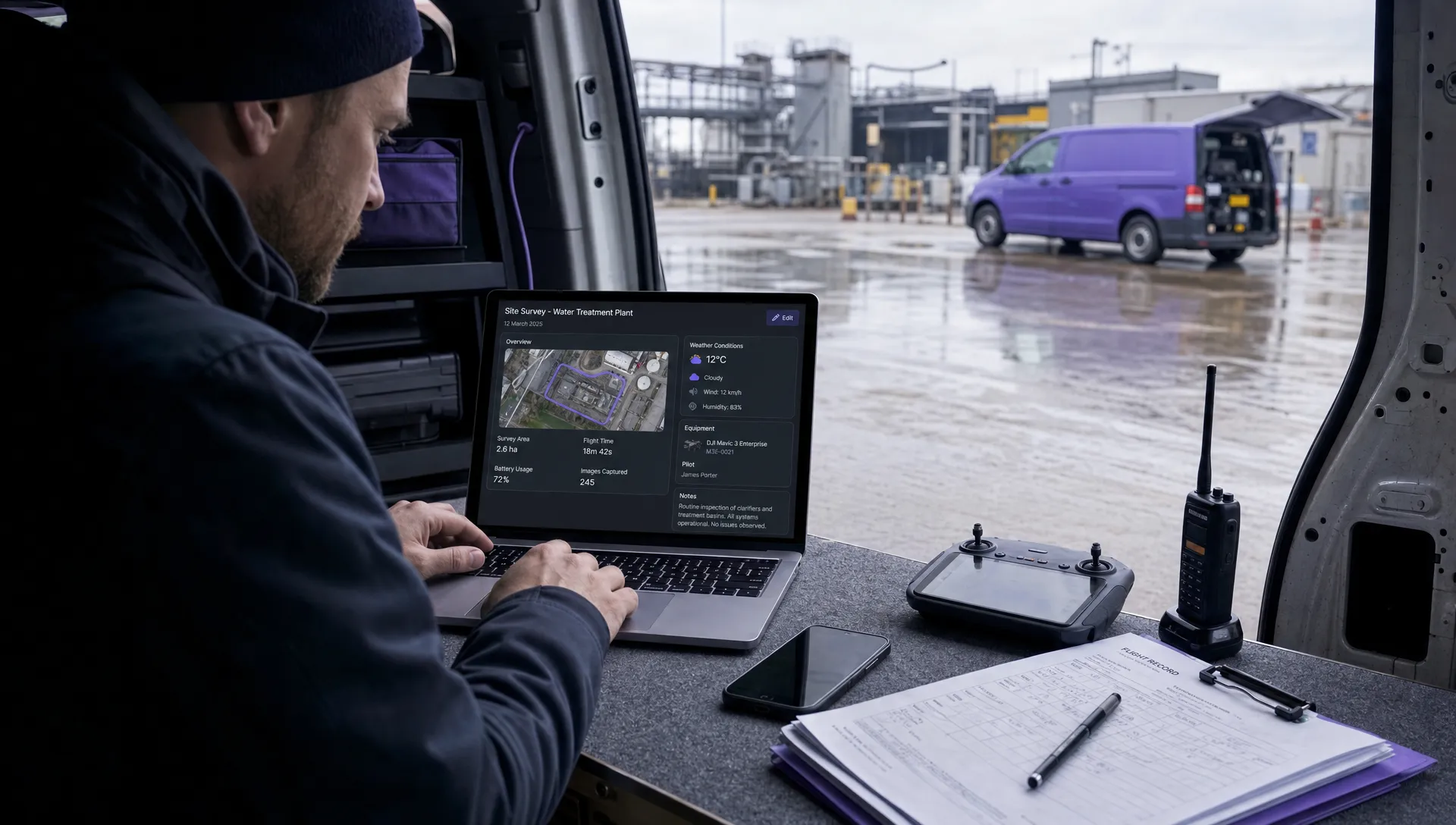
Flight logging is a key part of that control system. Logs help employers confirm who flew, which aircraft was used, where the mission took place and whether the job matched the approved plan. If your team uses DJI aircraft and needs to inspect uploaded flight data, Dronedesk provides a DJI flight log analysis tool that can support post-flight review.
A part 107 drone license verification process also becomes easier when your operational records live in one place. Dronedesk’s platform includes client management, fleet management, team management, airspace intelligence, proximity intelligence, flight planning, flight logging, data reporting, configurable checklists and risk assessments, as outlined on the Dronedesk features page.
For employers managing multiple pilots, this kind of structure helps turn compliance into a repeatable workflow rather than a series of disconnected files.
Red flags employers should not ignore
Some warning signs are obvious, but they are often missed when a job is urgent. Treat these as reasons to pause approval until evidence is provided.
- The pilot only provides a recreational TRUST completion certificate, not a Remote Pilot Certificate.
- The certificate name does not match the person assigned to the job.
- The pilot cannot provide recurrent training evidence.
- The contractor says the certificate is “pending” but wants to fly now.
- The aircraft registration is missing, expired or tied to recreational use only.
- The pilot assumes controlled airspace is acceptable without authorisation.
- The mission involves people, vehicles, night work or BVLOS without a clear compliance basis.
- The contractor refuses to provide insurance, flight logs or risk assessment records.
These issues do not always mean the pilot is acting in bad faith. They do mean the employer lacks enough evidence to approve the work responsibly.
Frequently Asked Questions
Is a Part 107 certificate the same as a drone licence? In FAA terminology, the correct credential is a Remote Pilot Certificate with a small UAS rating. Many people call it a part 107 drone license, but employers should use the official certificate details when verifying records.
Does a Part 107 certificate expire? The certificate itself does not operate like a short-term job permit, but pilots must meet FAA recurrent knowledge requirements to exercise Part 107 privileges. Employers should verify current recurrent training evidence, not just the original certificate.
Can an uncertified employee fly under supervision? Part 107 allows a person without the certificate to manipulate the controls if they are directly supervised by a qualified Remote Pilot in Command. Employers should document who the Remote Pilot in Command is and how supervision will be maintained.
Does Part 107 cover flights near airports? Not automatically. Operations in controlled airspace generally require FAA authorisation, often through LAANC. The employer should verify the authorisation for the specific location, altitude and time window.
What should employers verify for contractors? At minimum, verify identity, Remote Pilot Certificate details, recurrent training currency, insurance, aircraft registration, Remote ID compliance, airspace authorisations, relevant waivers and job-specific risk assessments.
Make verification easier across every drone job
A part 107 drone license check should be the start of your employer verification process, not the whole process. The safer approach is to document the pilot, aircraft, location, authorisations, risk assessment and flight record for every job.
If your organisation is moving beyond spreadsheets and inbox-based approvals, Dronedesk can help centralise drone operations management, flight planning, checklists, risk assessments and flight logging so your team has a clearer operational record from planning through completion.
 Part 107 Drone License: What Employers Should Verify →
 Drone Flying Guidelines for Working Near Critical Assets →
 Drone Airspace Rules: How to Document Your Site Checks →
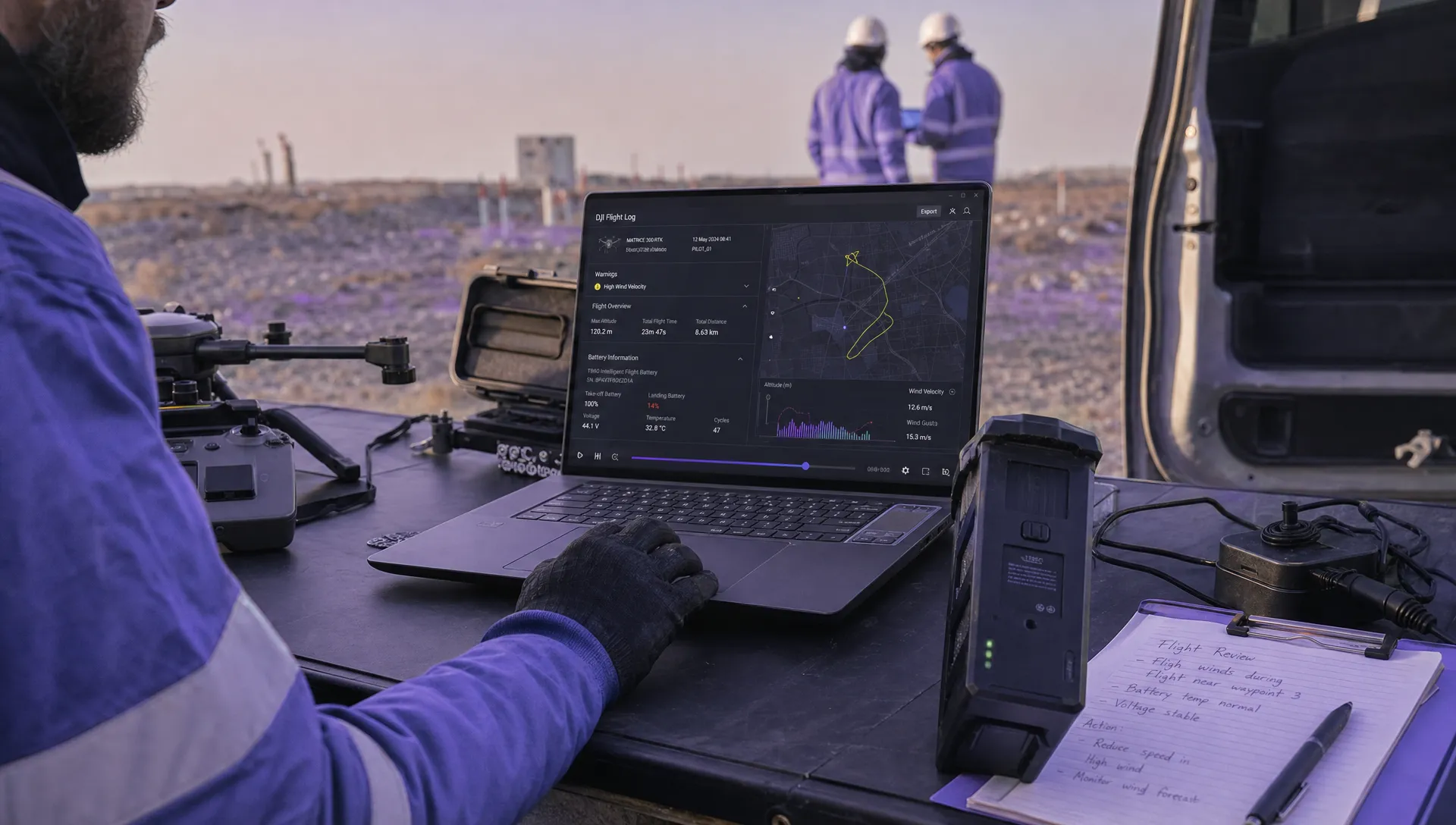 DJI Flight Log Analysis for Battery and Signal Warnings →
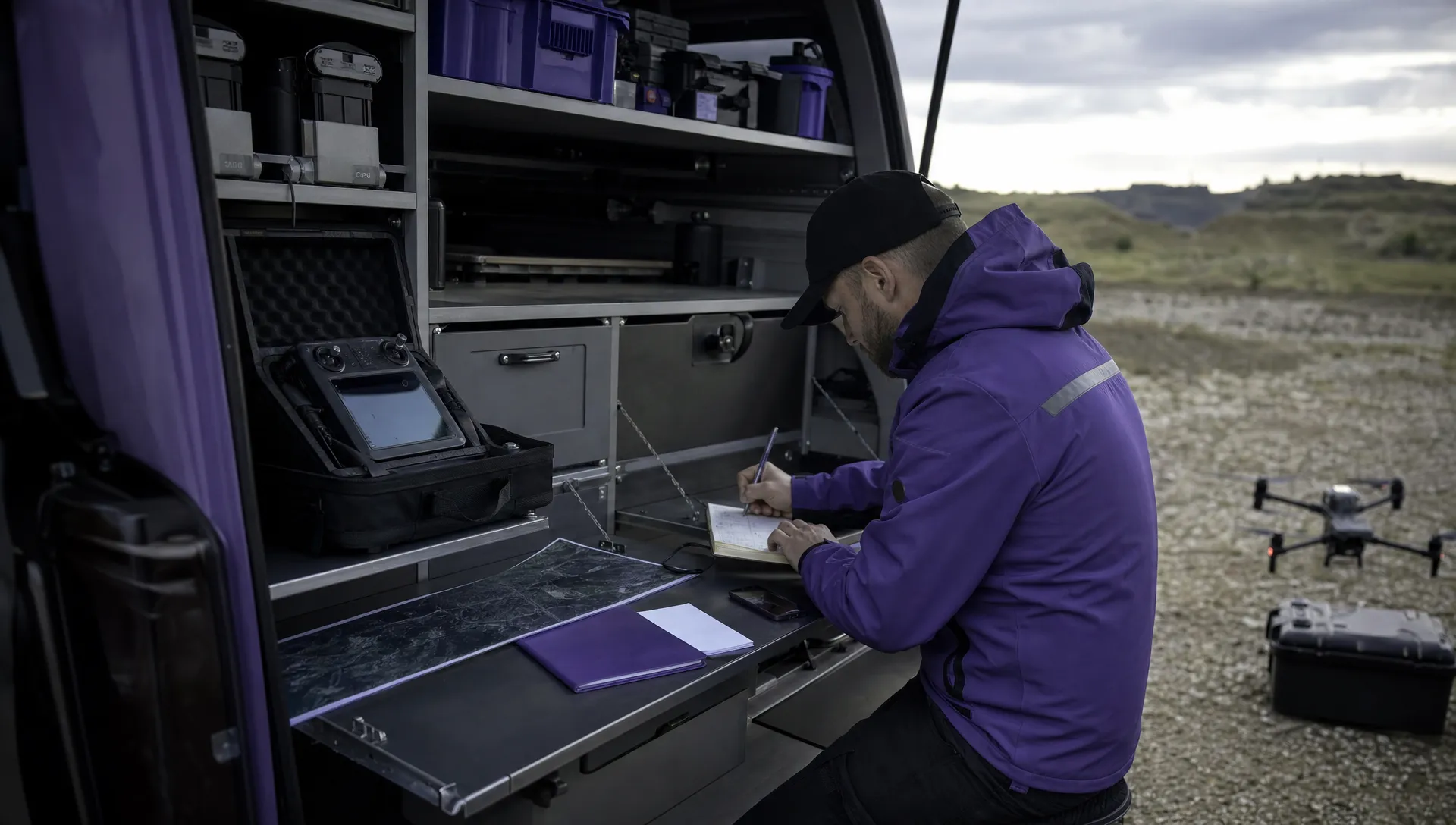 How to Evaluate a Free Drone Logbook Before Using It →
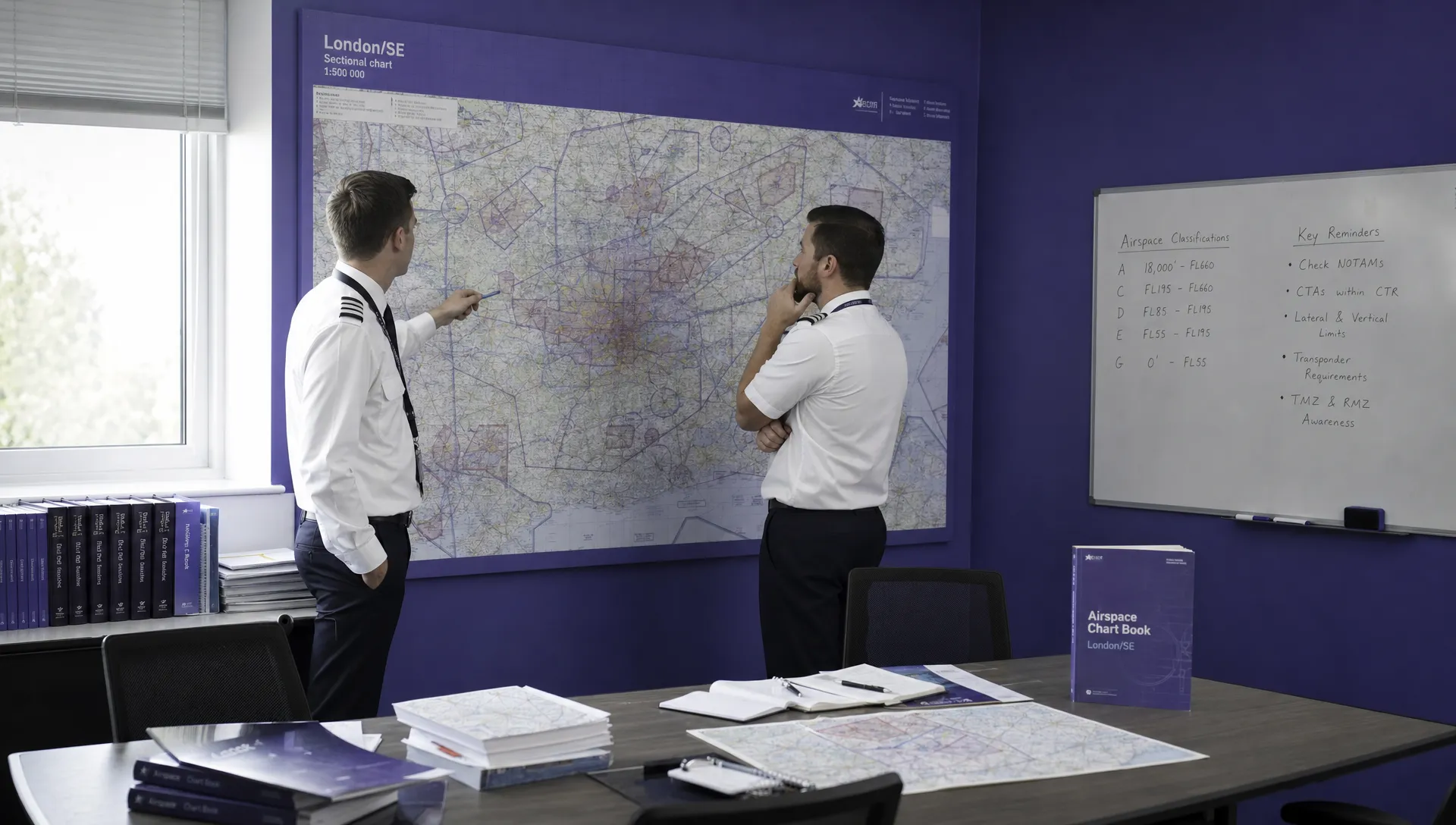 FAA Part 107 Test: How to Master Airspace Questions →
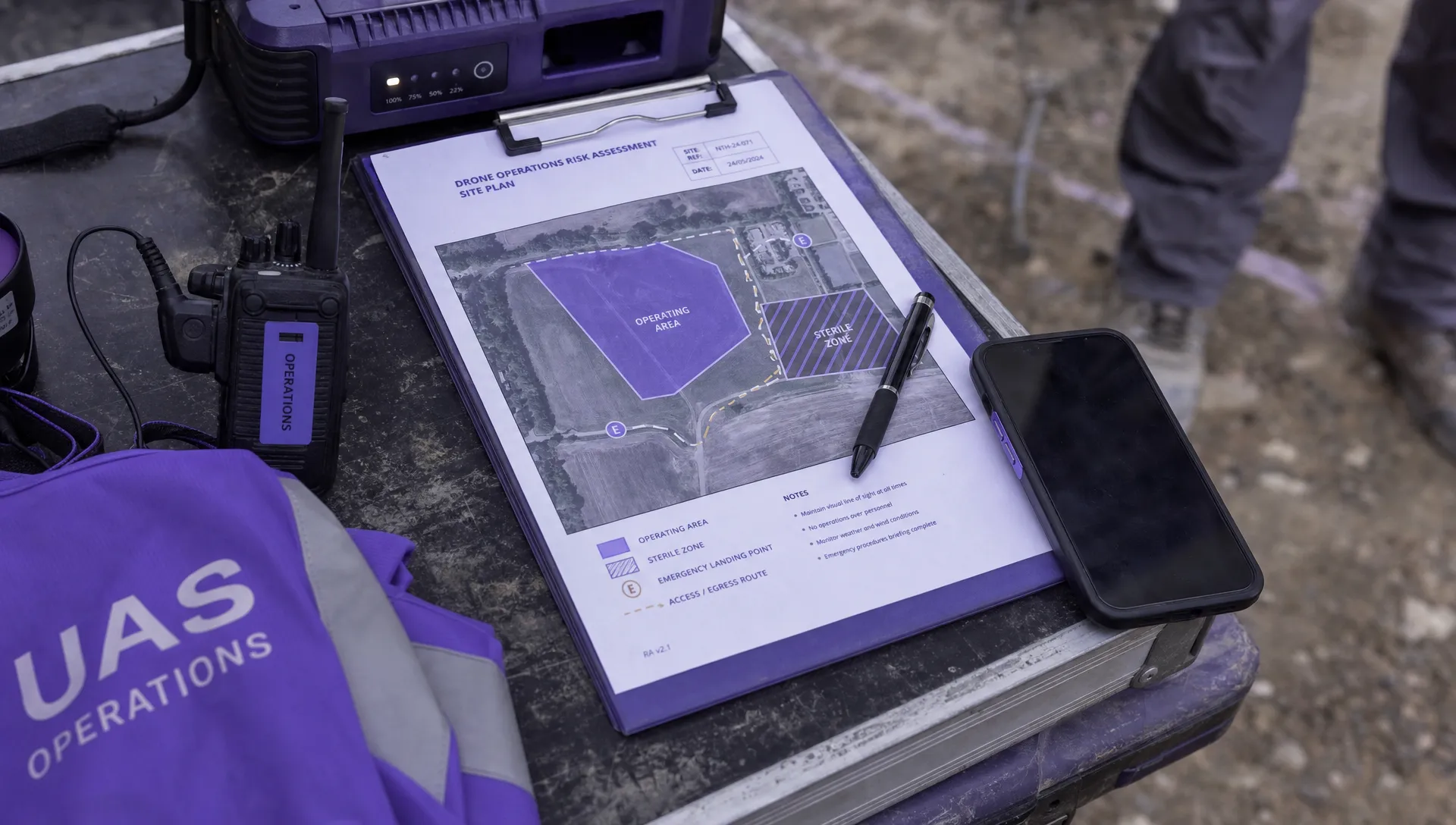 Drone Risk Assessment Controls That Work in the Field →
 FAA Drone License Costs Beyond the Knowledge Test →
 Drone Part 107 Operations: When a Waiver May Be Needed →
 Drone Operating Rules for Managing Contractors and Employees →