
What a Drone Line of Sight Waiver Means for Project Scope
A drone line of sight waiver can affect how much ground you plan to cover, where you position crews and what you promise a client. It does not, by itself, establish that a longer survey route will be practical or cheaper. The commercial question is whether the proposed operation, supporting equipment and approval conditions can deliver the required data at an acceptable cost.
The phrase is often used when discussing beyond visual line of sight (BVLOS) operations. Treat it as shorthand here, not a universal name for an authorisation. This is a project-scoping guide rather than a current regulatory summary. Confirm the applicable approval route with the relevant aviation authority and base operational commitments on the actual written permission.
What a drone line of sight waiver means for your scope
The most useful starting point is a boundary between the client's desired outcome and the operation you can commit to delivering.
A utility company might want an entire overhead-line corridor inspected. A survey client might need a continuous mapping dataset across several properties. Neither request tells you whether one aircraft, one crew position or one operating method can complete the work.
Separate three documents: the client's specification, the proposed operating plan and the approval that supports that plan. They serve different purposes. A client specification defines the output; an operating plan explains the intended method. The approval must then be checked against the commitments you intend to make.
For project planning, a drone line of sight waiver should be translated into explicit scope assumptions rather than treated as a general capability statement. Those assumptions should identify the intended operating area, aircraft configuration, crew arrangement and conditions under which the proposed method remains workable.
Keep any unconfirmed assumptions visible in the quotation. If an application is still pending, describe the expanded operation as conditional rather than selling it as an existing capability.
Define coverage by usable output, not maximum distance
Separate the operating area from the survey area
The area in which an aircraft can operate and the area from which it can collect acceptable data are not necessarily identical.
A route may be technically reachable but unsuitable for the required imagery because of viewing angle, vegetation, lighting or obstructions. A mapping mission may need additional passes to achieve the specified overlap. An asset inspection may need closer examination of defects discovered during the first pass.
For a drone line of sight waiver to support a larger commercial scope, the proposed operating area must accommodate the data-collection method, not merely the aircraft's passage along a route.
Use a coverage schedule that makes these distinctions clear:
| Scope element | What to define | Why it affects the commitment |
|---|---|---|
| Operating area | Proposed boundaries, launch locations and recovery options | Establishes where the planned method is intended to work |
| Data-capture area | Assets or surfaces that need acceptable observations | Prevents route completion being mistaken for survey completion |
| Exclusions | Inaccessible assets, obscured surfaces and unsuitable sections | Identifies gaps before the client assumes complete coverage |
| Repeat work | Circumstances requiring another pass or site visit | Makes rework responsibilities and pricing clearer |
Test difficult sections before scaling up
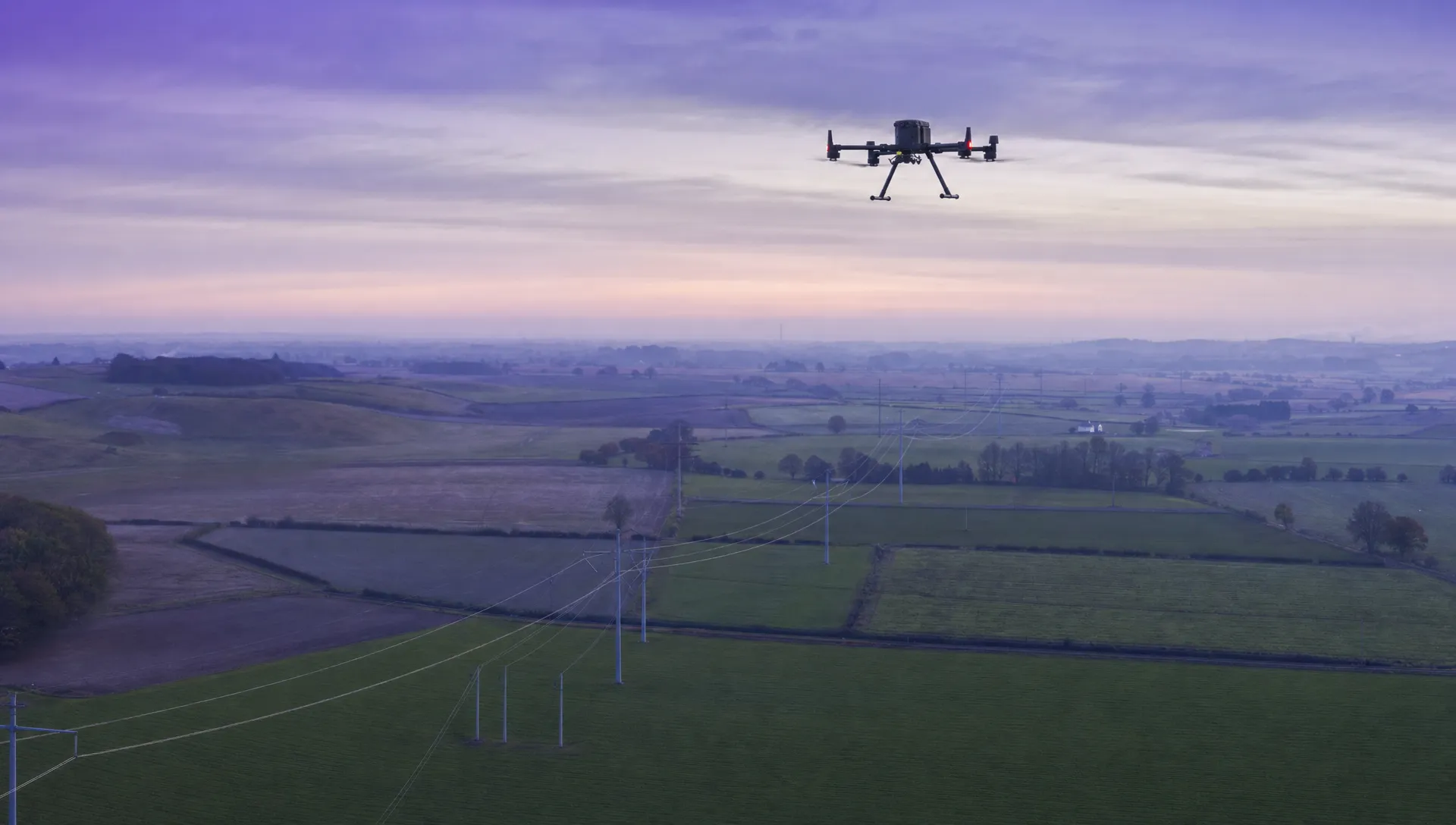
Consider an illustrative 12-kilometre utility corridor. Rather than pricing all 12 kilometres on a single set of assumptions, assess a representative section that includes difficult terrain, access constraints and challenging asset geometry.
The exercise is not proof that the entire corridor will perform identically. It helps identify which assumptions need testing elsewhere, including communications coverage and image quality at the required working distance.
Cost the complete operation before promising savings
Fewer pilot relocations can reduce one part of a project's workload. They do not establish that the total job will cost less.
A wider operating area may introduce additional preparation, communications equipment, specialist support or contingency arrangements. Crew requirements should come from the proposed operating method and its accepted conditions, not an assumption that greater distance means fewer people.
Build a like-for-like comparison between the existing method and the proposed one. Keep the deliverable specification identical, then compare preparation effort, field time, equipment costs and the expected cost of incomplete coverage.
A drone line of sight waiver has commercial value when it improves the whole delivery model, not simply when it allows a longer proposed route.
Use assumptions that the client can understand. For example, distinguish time spent capturing data from time spent travelling between access points. State whether the quotation includes land-access coordination, specialist communications surveys or additional mobilisation after a weather interruption.
For emergency services, make a further distinction between a planned demonstration and an operational response capability. Availability, dispatch arrangements and the ability to work within the approved conditions need their own assessment. A successful exercise should not automatically become a promise of unrestricted availability.
If the proposed operation needs a complex authorisation application, obtain specialist advice before fixing the delivery method or price. The drone operations consultants directory lists vetted consultants who can support that work.
Keep deliverables independent of the flight method
Clients usually buy an inspection result or survey dataset, not a particular distance flown. Write acceptance criteria around that result.
For mapping work, specify the required accuracy, coverage and output format. For utility inspections, define which assets and components must be visible, the required image detail and how defects should be reported. Record what counts as an incomplete observation.
Do not let a proposed change in operating method silently change those standards. A longer route that produces unsuitable imagery is not an acceptable substitute for a shorter operation that meets the specification.
The scope should also explain how incomplete coverage will be handled. Decide whether the operator will re-fly, use an agreed alternative method or return a clearly marked gap for the client to resolve. The circumstances matter: weather disruption, blocked access and a client-requested specification change should not be treated as interchangeable causes.
This is where the conditions associated with a drone line of sight waiver become commercially relevant. If they prevent the planned capture method on part of the site, the contract needs a defined response rather than an assumption that the operator will absorb any extra work.
Use staged commitments when approval is uncertain
Avoid making the entire project dependent on an approval outcome that has not been established. A staged quotation gives the client useful decisions without presenting uncertain work as guaranteed.
Feasibility and scope definition
Price the work needed to establish whether the proposed method is suitable. This could include site assessment, communications testing, operating-concept development and consultation with a specialist.
The output should be a documented recommendation with unresolved issues identified. It should not promise a successful application unless there is a sound contractual basis for doing so.
Approval-dependent preparation
Separate application support and operational preparation from field delivery. Identify who supplies supporting information, who owns each decision and which costs remain payable if the proposed method changes.
State how approval timing affects mobilisation. A provisional delivery window is different from a guaranteed completion date.
Field delivery and fallback
Make the expanded scope conditional on the issued drone line of sight waiver matching the operating assumptions used in the quotation.
A useful scope clause might read:
Pricing for the extended corridor inspection assumes the proposed operating method can be used across the identified sections. If the approval outcome or site assessment changes that method, coverage, crew requirements and delivery dates will be reviewed before fieldwork is confirmed.
This is an illustrative commercial statement, not legal drafting. Have the final wording reviewed for the contract and jurisdiction involved.
Where practical, offer a separately priced fallback using an already-established operating method. Explain whether it changes access requirements, completion time or coverage. Do not describe it as equivalent unless it can meet the same acceptance criteria.
Make scope changes trigger a review
A permission obtained for one proposed operation should not become an unchecked assumption for every later client request.
Build a review point into your change-control process. Reassess the proposal when the client adds another site, changes the asset type or asks for a different response time. Changes to equipment, crew arrangements or operating conditions also deserve review before anyone confirms the revised scope.
Use a drone flight risk assessment alongside that process to assess whether the revised job introduces hazards that the original plan did not address.
The practical value of a drone line of sight waiver depends partly on keeping the sold scope aligned with the operation it supports. Record the approval reference, scope version and unresolved assumptions together so that commercial and operational staff are working to the same brief.
For recurring contracts, agree when those assumptions will be revisited. A repeat visit should not bypass review simply because the client, route or aircraft name looks familiar.
Frequently asked questions
Does a line of sight waiver mean we can quote for any distance? Do not base a quotation on that assumption. Check the written approval against the proposed operating area, equipment and method, then assess whether the aircraft and data-capture setup can complete the job as specified.
Will the project automatically need fewer staff? No staffing reduction should be assumed at the quotation stage. Establish the roles needed for the proposed operation and assess the full workload, including preparation, site coordination and contingency arrangements.
Can we quote while an application is pending? A conditional quotation can separate confirmed work from approval-dependent work. Identify the assumptions, decision points and fallback costs so that the client understands what remains uncertain.
Where should we check the applicable approval process? Start with the relevant authority's own information, such as the FAA's small UAS guidance for US projects or the CAA's drone guidance for UK projects. Confirm the route for the proposed operation rather than assuming terminology or permissions transfer between jurisdictions.
Check your planning process against the proposed scope
Before issuing the quotation, ask whether another team member could identify the promised coverage, approval dependencies and response to incomplete work without asking the salesperson.
If you are reviewing the systems that support this process, compare your documented requirements with Dronedesk's published features. Keep the commercial promise tied to an operation your team can explain, assess and deliver.
 What a Drone Line of Sight Waiver Means for Project Scope →
 Drone Regulations for Commercial Use With Mixed Aircraft Fleets →
 FAA 107 Test Study Plans for Shift Workers →
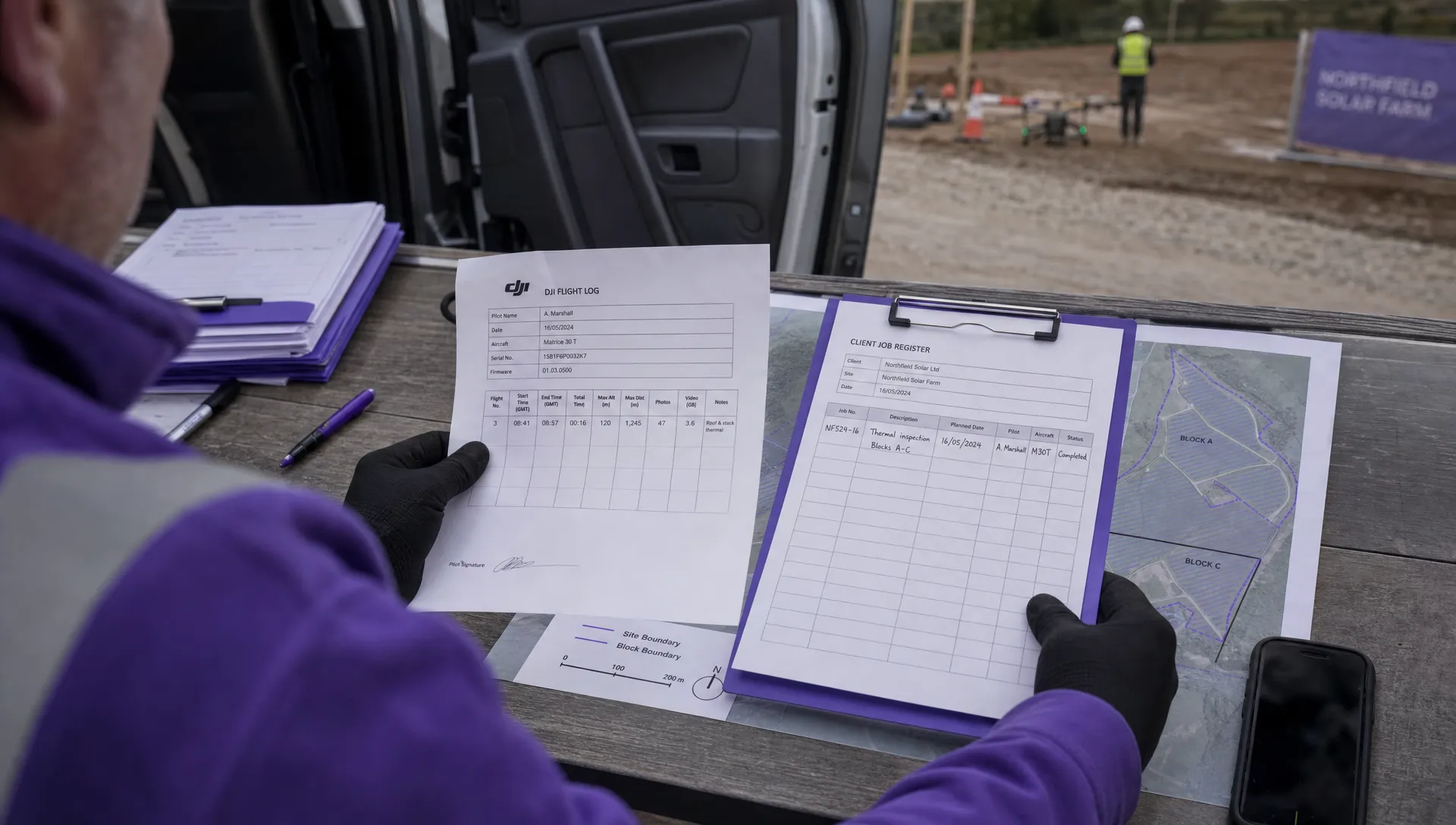 How to Match a DJI Flight Log to a Client Job →
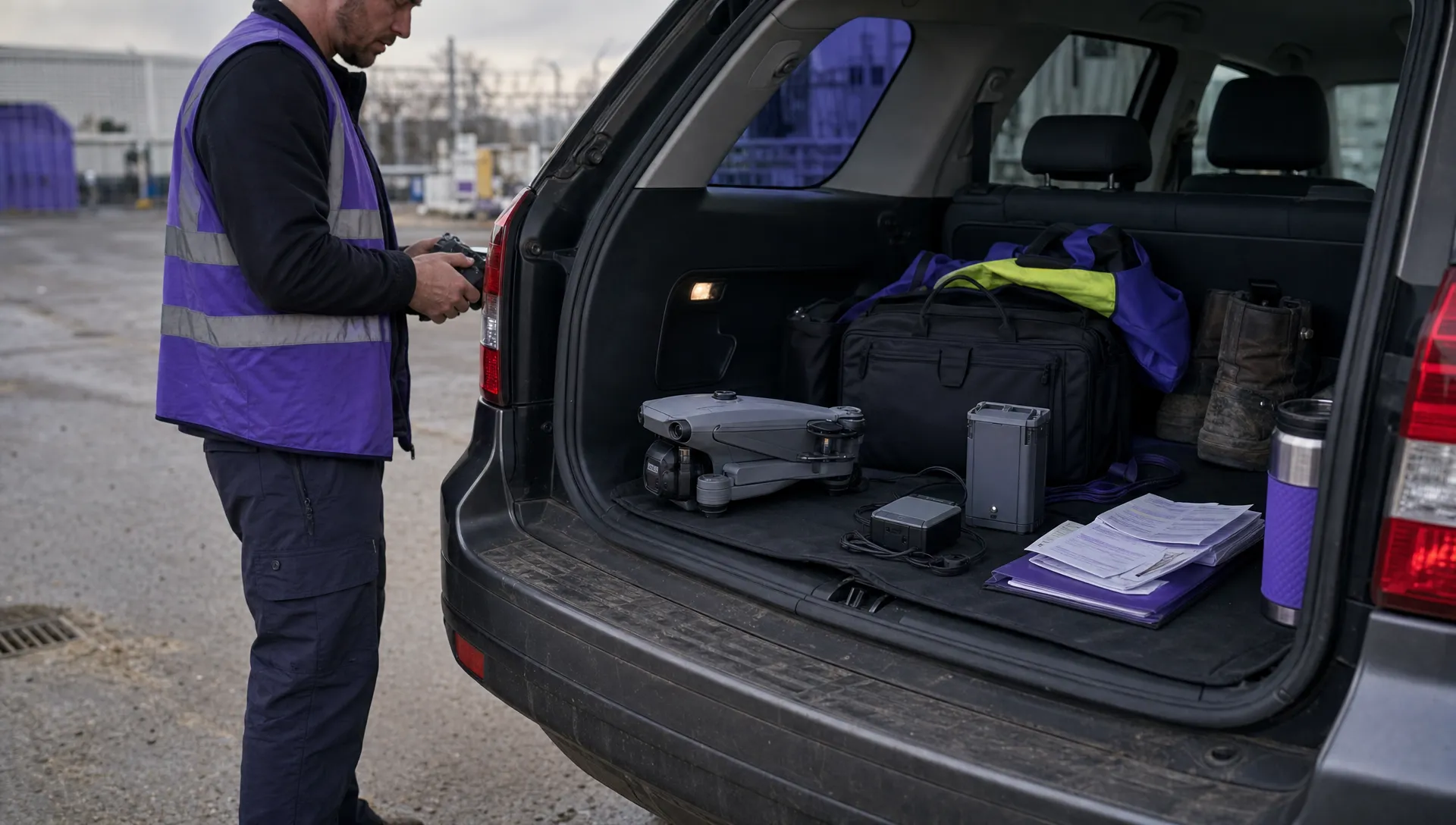 Drone Regulations Under 250 Grams for Mixed-Weight Fleets →
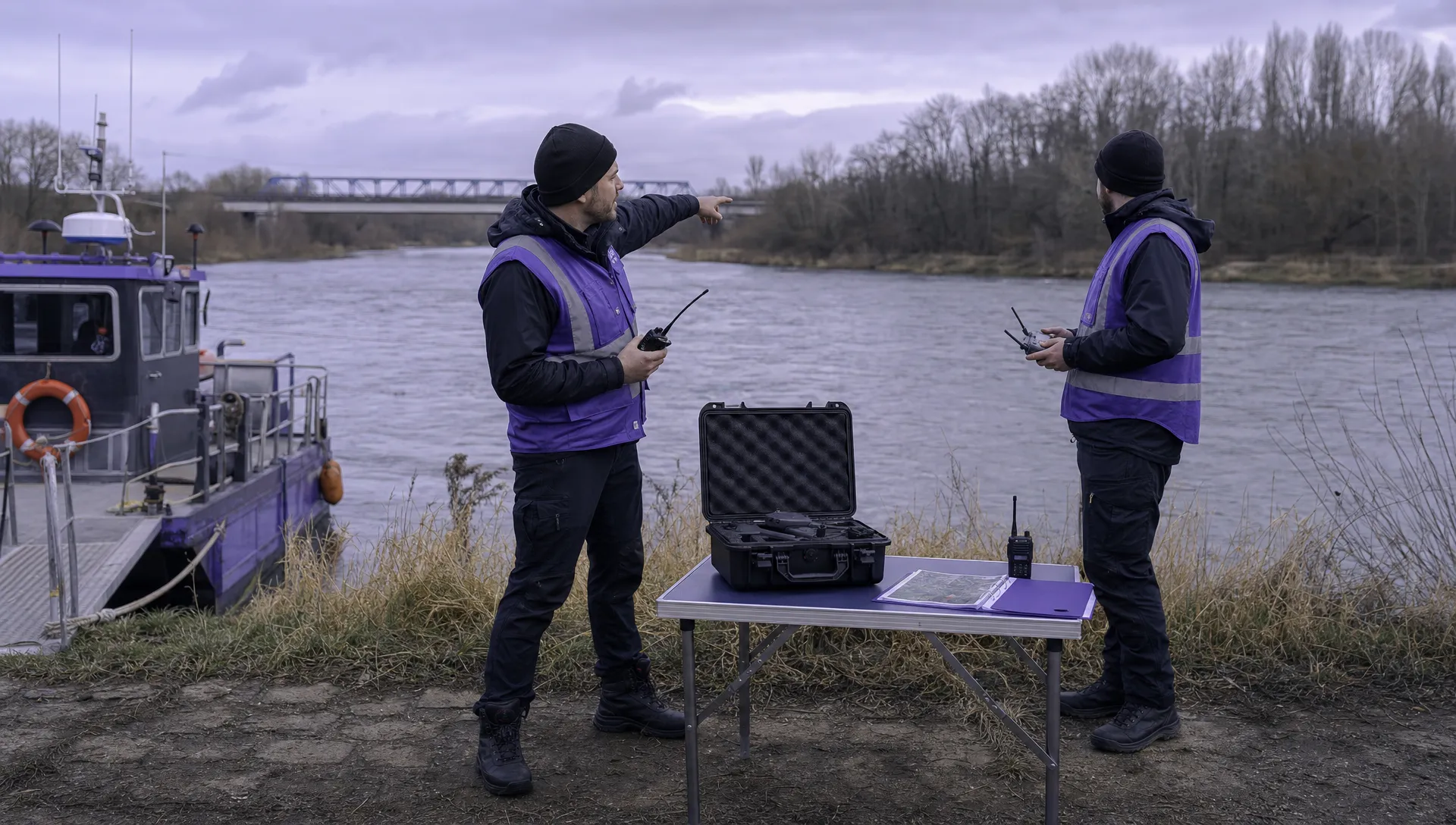 Drone Safety Guidelines for Working Near Water →
 FAA Rules and Regulations for Drones on Shared Worksites →
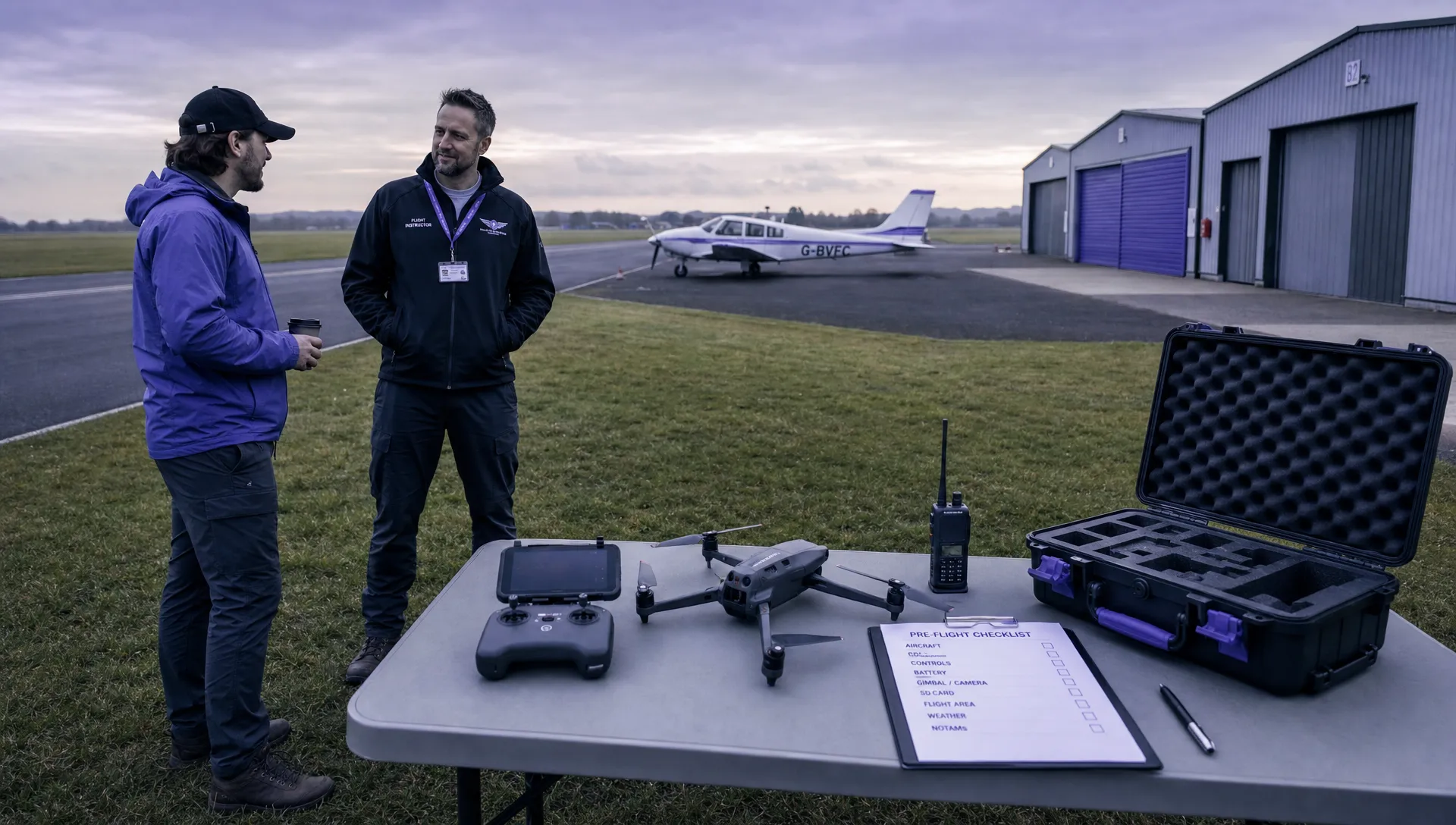 Drone Pilot 107 Refresher Training After a Career Break →
 How to Track Drone Regulations Worldwide as a Business →
 FAA Rules for Flying Drones at Night During Emergency Missions →