
FAA Drone Flight Regulations for Operations From Moving Vehicles
FAA drone flight regulations allow some Part 107 operations from moving cars, trucks and boats, but the permission is narrow. Under 14 CFR §107.25, the drone must fly over a sparsely populated area and must not transport another person’s property for compensation or hire. Operating from a moving aircraft is prohibited unless an applicable FAA waiver permits it. Airspace permission alone does not remove these restrictions.
Draft only: I cannot access live official sources in this environment. This article has not completed your mandatory regulatory verification and must not be published until its regulatory statements and linked product information have been checked.
For survey teams, utility inspectors and emergency services, the practical question is whether the entire proposed operation fits those conditions. A rural launch point does not make a route over a busy settlement acceptable.
FAA drone flight regulations for moving control stations
The starting point is 14 CFR §107.25, operation from a moving vehicle or aircraft. It distinguishes moving aircraft from moving land vehicles and waterborne vessels.
| Proposed operation | Position under §107.25 without a waiver |
|---|---|
| Operating from a moving aircraft | Prohibited |
| Operating from a moving truck while the drone flies over a sparsely populated area | May be permitted if the property-transport restriction and all other applicable rules are satisfied |
| Operating from a moving boat while the drone flies over a sparsely populated area | May be permitted on the same basis |
| Operating from a moving vehicle while the drone flies over a populated area | Outside the standard permission |
| Transporting another person’s property for compensation or hire from a moving vehicle | Outside the standard permission |
Charging for an inspection does not, by itself, make the operation prohibited. The restriction concerns transporting someone else’s property for compensation or hire, rather than receiving payment for every type of drone service.
FAA drone flight regulations also distinguish operating from a moving vehicle from flying over moving vehicles. Permission for the first does not establish permission for the second. Flights over people and moving vehicles have separate requirements under Part 107.
Establish the operating framework before planning the route
Business flights and recreational flights
This guide addresses Part 107 operations. Infrastructure inspections, commercial surveys and flights undertaken for an organisation’s work should not be treated as recreational simply because the pilot is unpaid.
The FAA’s exception for limited recreational operations is a separate framework. A recreational safety test certificate is not a substitute for the remote pilot qualification required for a Part 107 operation.
Establish the flight’s purpose before choosing the regulatory basis. Do not switch labels midway through planning to avoid a restriction.
Emergency services and public aircraft operations
An emergency services organisation may operate under Part 107 or an applicable public aircraft framework. The organisation must establish which applies to the mission and follow the relevant conditions.
The FAA’s public safety and government guidance explains the available routes. An urgent task does not automatically suspend the rules or create permission to launch from a moving response vehicle.
When applying FAA drone flight regulations, record the operating framework alongside any authorisation or waiver. A mission brief that only says “emergency operation” leaves an important question unanswered.
Assess whether the aircraft will remain over a sparsely populated area
Part 107 does not provide a simple population-density figure that operators can apply mechanically. “Rural” is not a reliable substitute for assessing the actual flight area.
Consider the whole aircraft route, including launch, turns, inspection passes, return and recovery. A reservoir may have an occupied marina. A remote utility corridor may cross a village, a worksite or a road with substantial traffic.
The condition concerns where the aircraft flies, not merely where the control vehicle travels. A truck on a quiet road does not establish that the drone’s separate inspection route is acceptable.
Useful planning evidence includes recent aerial imagery, site reconnaissance and information about temporary activity. Record why the proposed area fits the condition and identify places the aircraft must avoid. A statement such as “countryside location” is too vague to support a repeatable operating decision.
For a utility inspection, a workable plan might divide the assignment into separate flights. The team could use a moving control station for an eligible remote section, then stop and reassess before inspecting a settlement.
FAA drone flight regulations do not provide a general permission to continue through populated sections merely because most of the route is unoccupied.
Check pilot qualifications, airspace and location restrictions
The moving-vehicle provision does not replace the rest of 14 CFR Part 107. The remote pilot must have the required certificate and current aeronautical knowledge qualification. Aircraft registration requirements also apply, including to aircraft weighing less than 250 g when operated under Part 107.
Authorisation must cover the aircraft’s operating area
Where controlled airspace authorisation is required, obtain it before operating. The FAA’s Low Altitude Authorization and Notification Capability, or LAANC, supports authorisations at participating locations.
Plan against the aircraft’s complete operating footprint. A vehicle-based inspection can cross an authorisation boundary even when the pilot remains on the same road. Check the approved area, altitude limits, dates and operating conditions against every planned segment.
A map showing airspace information is not, by itself, an authorisation.
Check restrictions close to departure
Review the FAA’s temporary flight restrictions and other applicable notices before the mission. Restrictions associated with incidents or security activity may affect an otherwise familiar route.
FAA drone flight regulations remain separate from permission to access land, use a launch site or operate a vehicle on a particular road or waterway. Obtain those permissions independently. Airport-related planning also deserves its own check, rather than an assumption that a low flight will be acceptable.
Build a procedure specifically for a moving control station
A moving vehicle changes the pilot’s viewpoint, radio geometry and recovery options throughout the flight. The following are operational planning recommendations, not additional quoted requirements of §107.25.
Separate vehicle control and drone duties
Use a dedicated driver or skipper rather than assigning vehicle control and drone piloting to the same person. Define who can request a stop, what communication the team will use and what happens if the vehicle cannot safely stop where expected.
A visual observer, if used, needs an effective position and clear communication. Their presence does not automatically make the flight compliant.
Preserve visual line of sight
Moving alongside an aircraft does not create permission for beyond-visual-line-of-sight operation. Maintain the visual contact required by the applicable operating rules and any waiver conditions.
Check for vegetation, bends, buildings and terrain that could interrupt visibility. A camera feed cannot replace the visual-line-of-sight requirement under the standard Part 107 framework.
FAA drone flight regulations must be assessed against the actual aircraft path. A vehicle route that looks convenient on a map may leave the pilot unable to see the aircraft during part of the inspection.
Plan recovery independently of the vehicle’s progress
Identify suitable recovery locations before launch. Do not assume the drone can always land on the moving platform or reach the vehicle after a delay.
Check the aircraft’s documented return-to-home behaviour. An original take-off location, an updated home point and the control station’s current position are not necessarily the same thing. Manufacturer-specific settings must be understood before the flight.
Include vehicle breakdown, loss of communications and an unexpected occupied recovery area in the flight risk assessment. The response should identify a safe action, rather than simply instructing the pilot to “return home”.
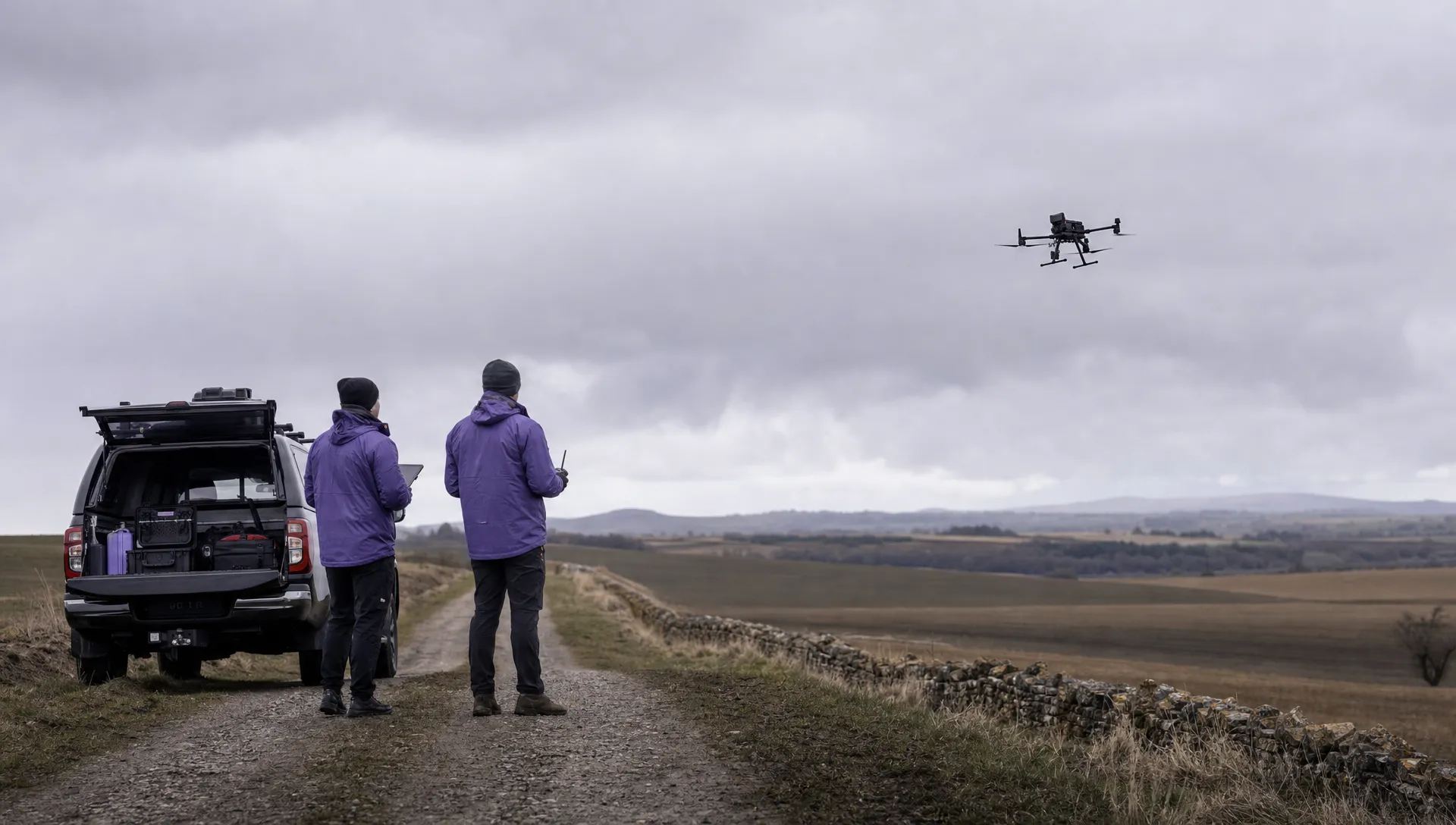
Remote ID still applies when the pilot is moving
A moving control station does not create a Remote ID exemption. Check the FAA’s Remote Identification requirements for the aircraft and the intended operation.
Standard Remote ID and a Remote ID broadcast module are different compliance methods. Standard Remote ID includes control station location information, while a broadcast module uses take-off location information. Do not assume that adding a module gives an aircraft every capability or operating permission associated with a Standard Remote ID aircraft.
Remote ID equipment also does not replace airspace authorisation, visual line of sight or the conditions for operating from a moving vehicle.
For an operational checklist, keep these checks separate: whether the aircraft meets its identification requirements and whether the proposed flight is permitted. Satisfying one does not establish the other.
When a waiver may be necessary
If the proposed flight does not fit §107.25, assess the FAA’s waiver process before accepting the assignment. The FAA’s Part 107 waiver guidance explains the application process and the need to demonstrate safe operation.
FAA drone flight regulations do not make a waiver interchangeable with controlled airspace authorisation. A mission may need both, and each approval has its own scope and conditions.
Section 107.205 identifies provisions that may be waived. It also states that a waiver of §107.25 will not be issued to allow carriage of another person’s property by aircraft for compensation or hire. Do not assume a waiver can remove every limitation.
Separate departures from the standard rules need separate consideration. Permission to operate from a moving vehicle does not automatically authorise BVLOS flight or operations over people.
For an application involving several interacting permissions, the drone operations consultants directory provides a place to find specialist support. Consultancy advice does not replace an FAA approval.
Keep records that explain the operating decision
A useful mission file should explain why the flight was permitted and how the team intended to control its risks. Keep the assessed route, population assessment, relevant permissions and crew responsibilities together.
Record any operating boundaries that matter in practice, such as a point where the vehicle must stop or a section that requires a separate flight. Those details help another qualified crew understand the plan without reconstructing it from messages.
After the mission, review the flight log against the intended route and note deviations. For DJI records, the DJI flight log analysis tool is an option to assess during your review process.
A recorded track can help explain what happened, but it does not prove that people were absent, visual contact was maintained or the correct permission existed. Retain the planning evidence as well as the aircraft data.
Frequently asked questions
Can I fly a drone from a moving car under Part 107? It may be permitted when the drone flies over a sparsely populated area, it is not transporting another person’s property for compensation or hire and all other applicable requirements are met. A moving-car operation outside those conditions needs a different legal basis, where available.
Can I operate from a moving boat? Section 107.25 includes waterborne vehicles. The same conditions apply. Assess occupied shorelines, other vessels and the recovery plan rather than assuming open water makes the operation acceptable.
Does LAANC approval permit a moving-vehicle operation? No. LAANC addresses airspace authorisation. FAA drone flight regulations governing moving vehicles, visual line of sight and other operational requirements still apply separately.
Does §107.25 still apply if the vehicle is parked? The moving-vehicle restriction addresses operation while the vehicle is moving. Parking does not remove other requirements, including safe operation, airspace permission and any applicable road or site restrictions.
Do these rules apply in the UK? This article concerns United States FAA requirements. Do not apply its Part 107 conclusions to UK operations, which fall under a different regulatory framework.
Make moving-vehicle checks part of the mission brief
Before accepting the job, establish the operating framework, assess the aircraft’s entire route and identify any permissions the standard rules do not provide. If the conditions cannot be met, change the operation or obtain the necessary approval before flying.
When reviewing how to manage that work, compare Dronedesk’s published features with your team’s planning and record-keeping requirements.
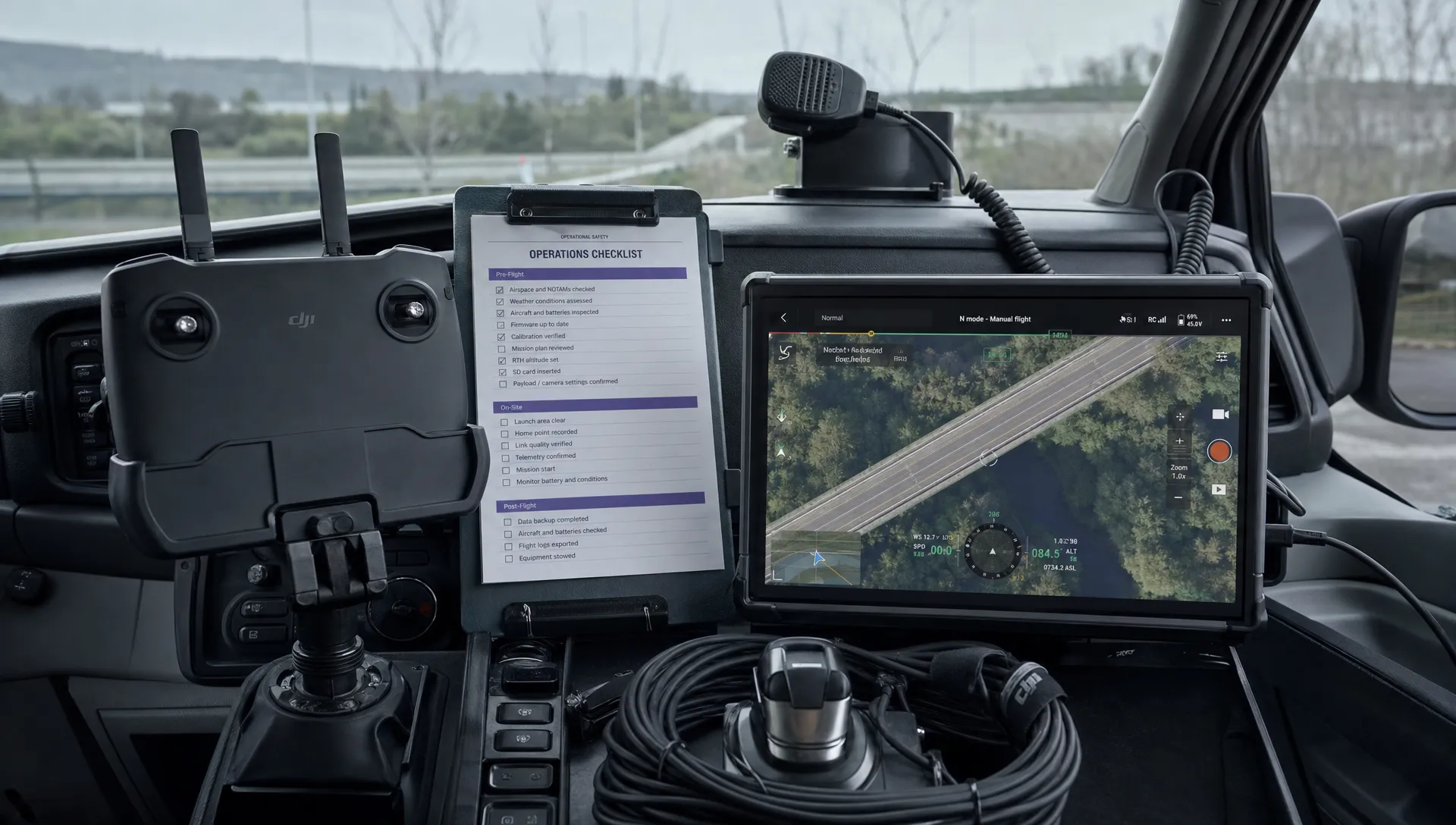 FAA Drone Flight Regulations for Operations From Moving Vehicles →
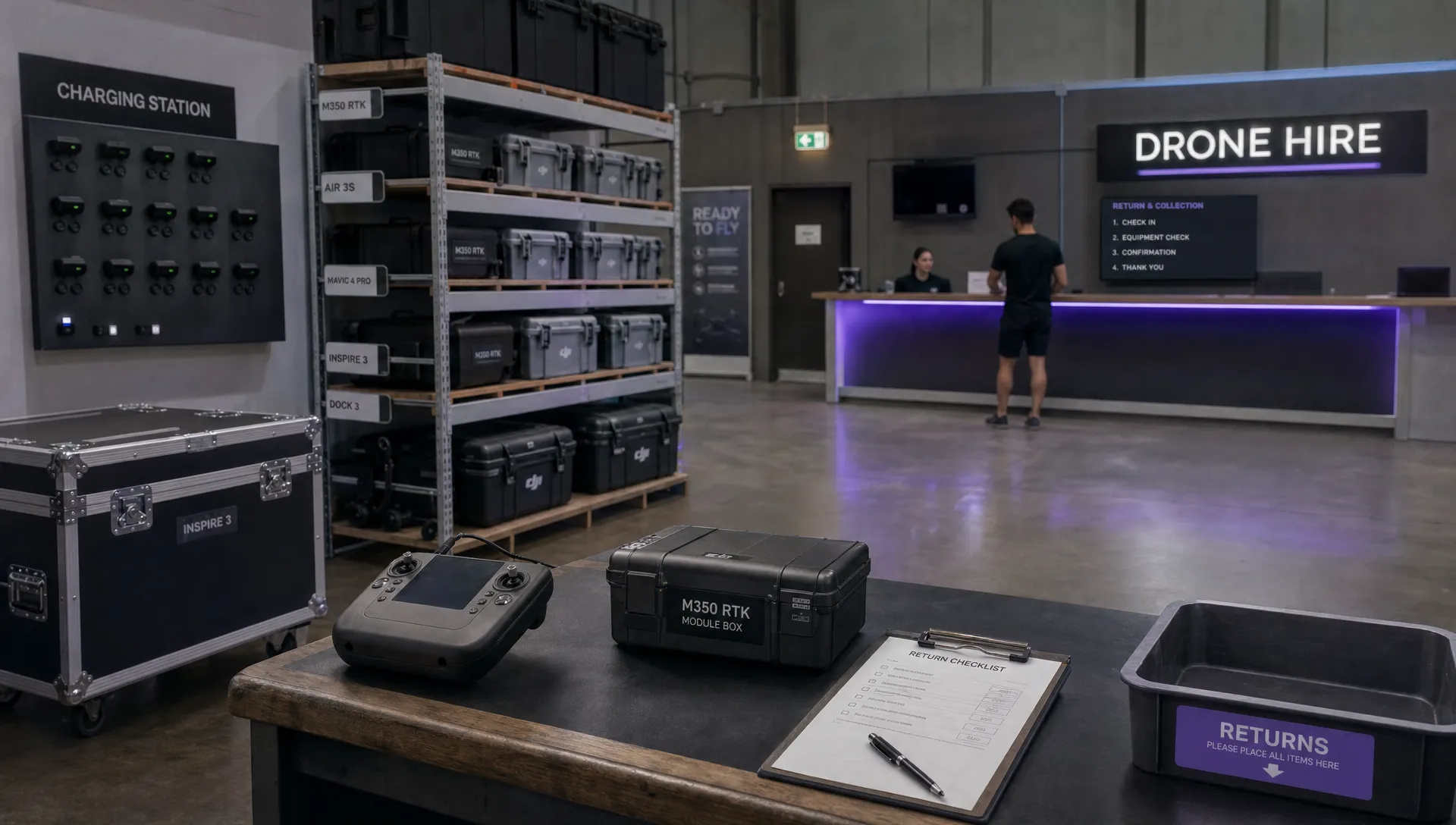 DJI Remote ID Compliance Checks When Renting Aircraft →
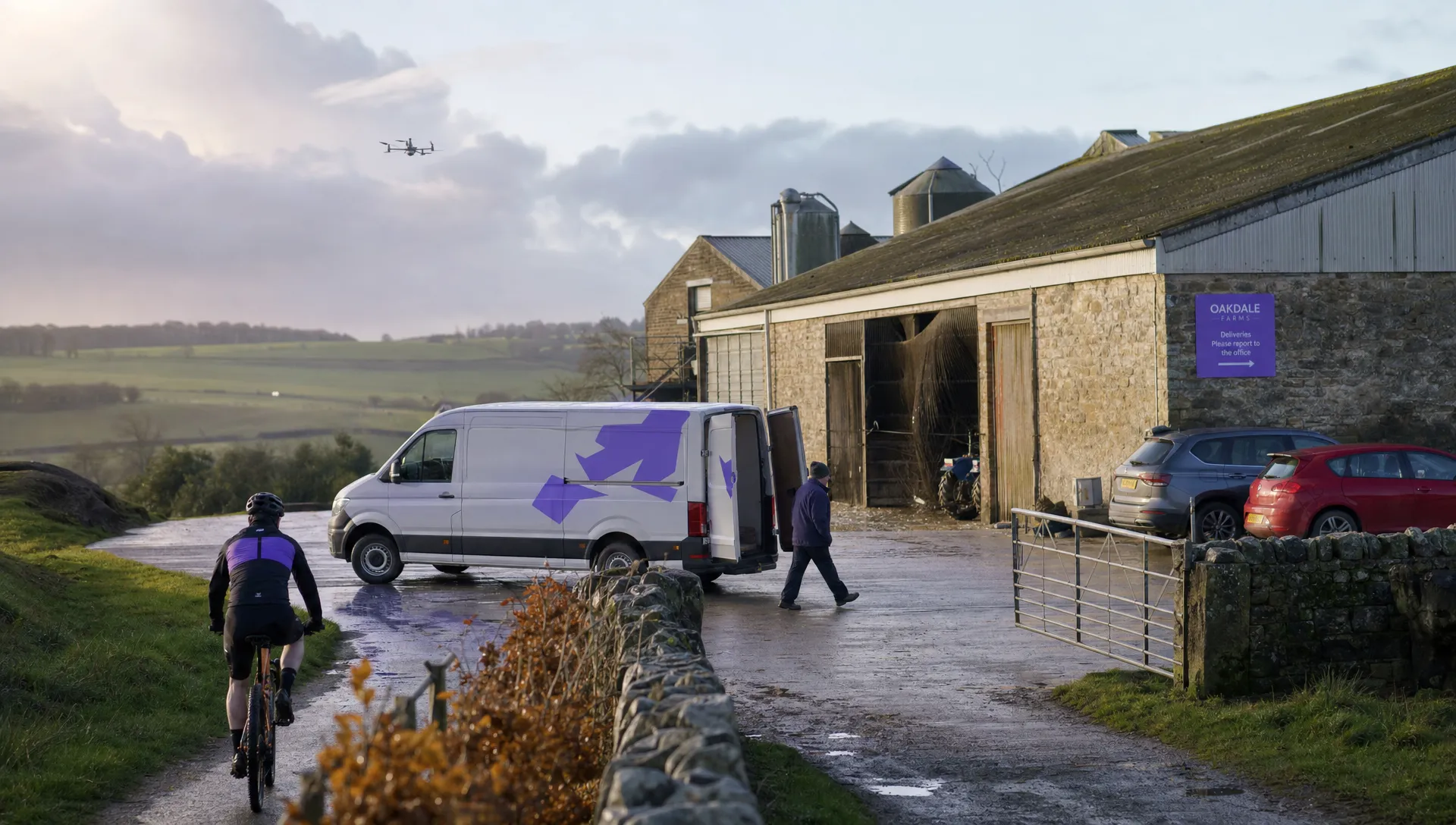 What a Drone Site Selection Tool Can Miss About Ground Access →
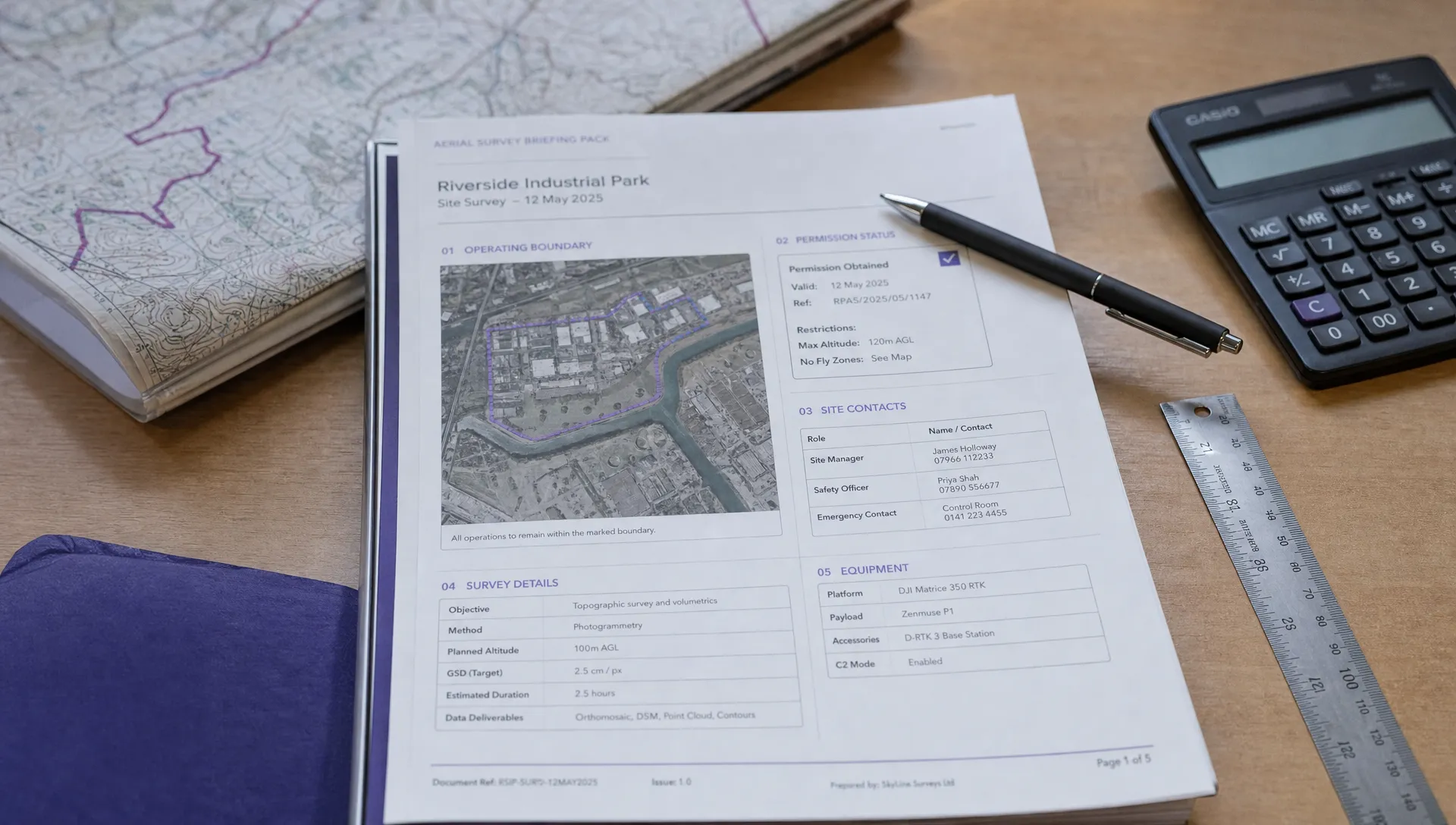 How to Brief Clients on Drone Restrictions Near Airports →
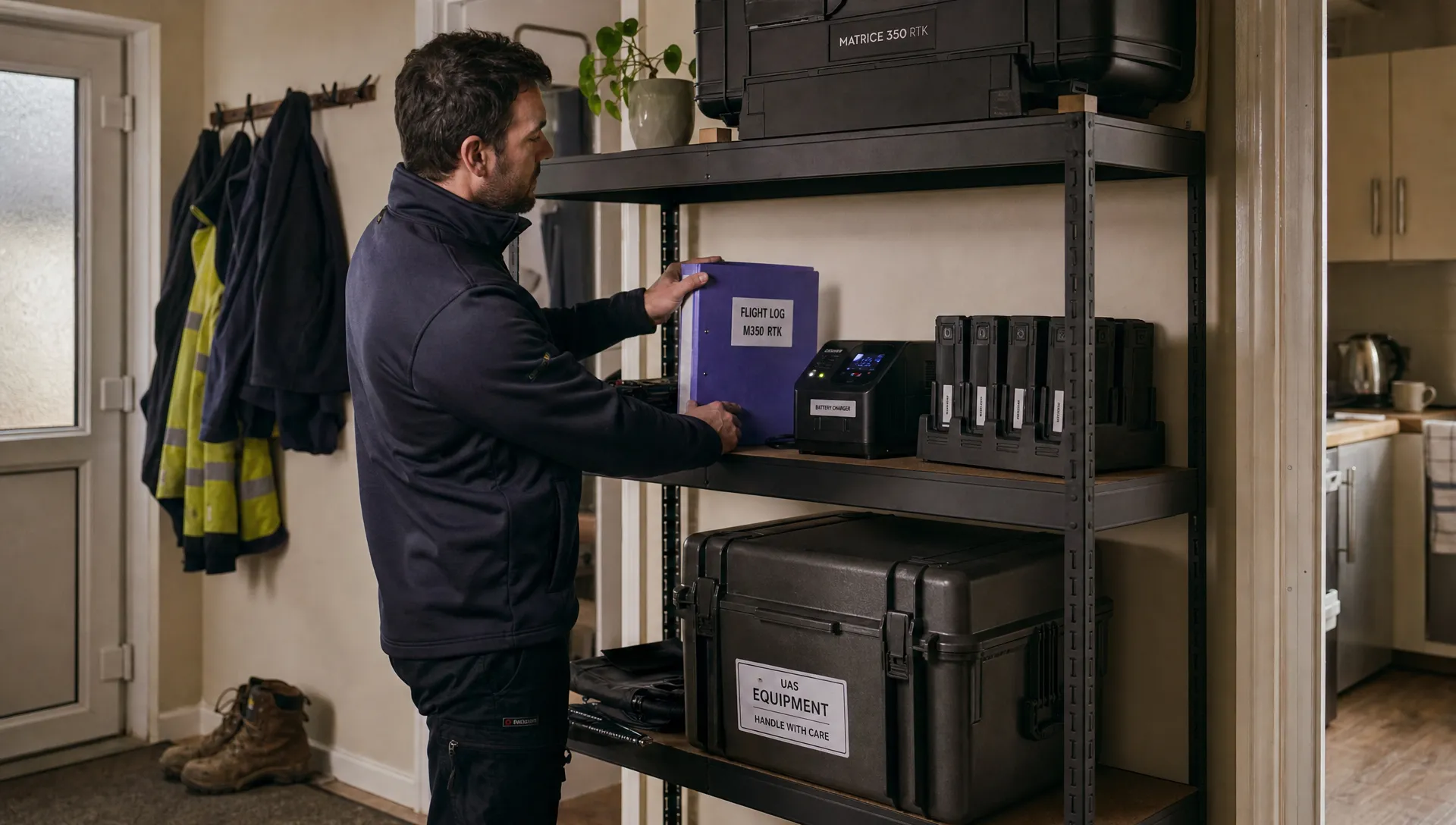 How to Choose the Best Drone Logbook for Shared Aircraft →
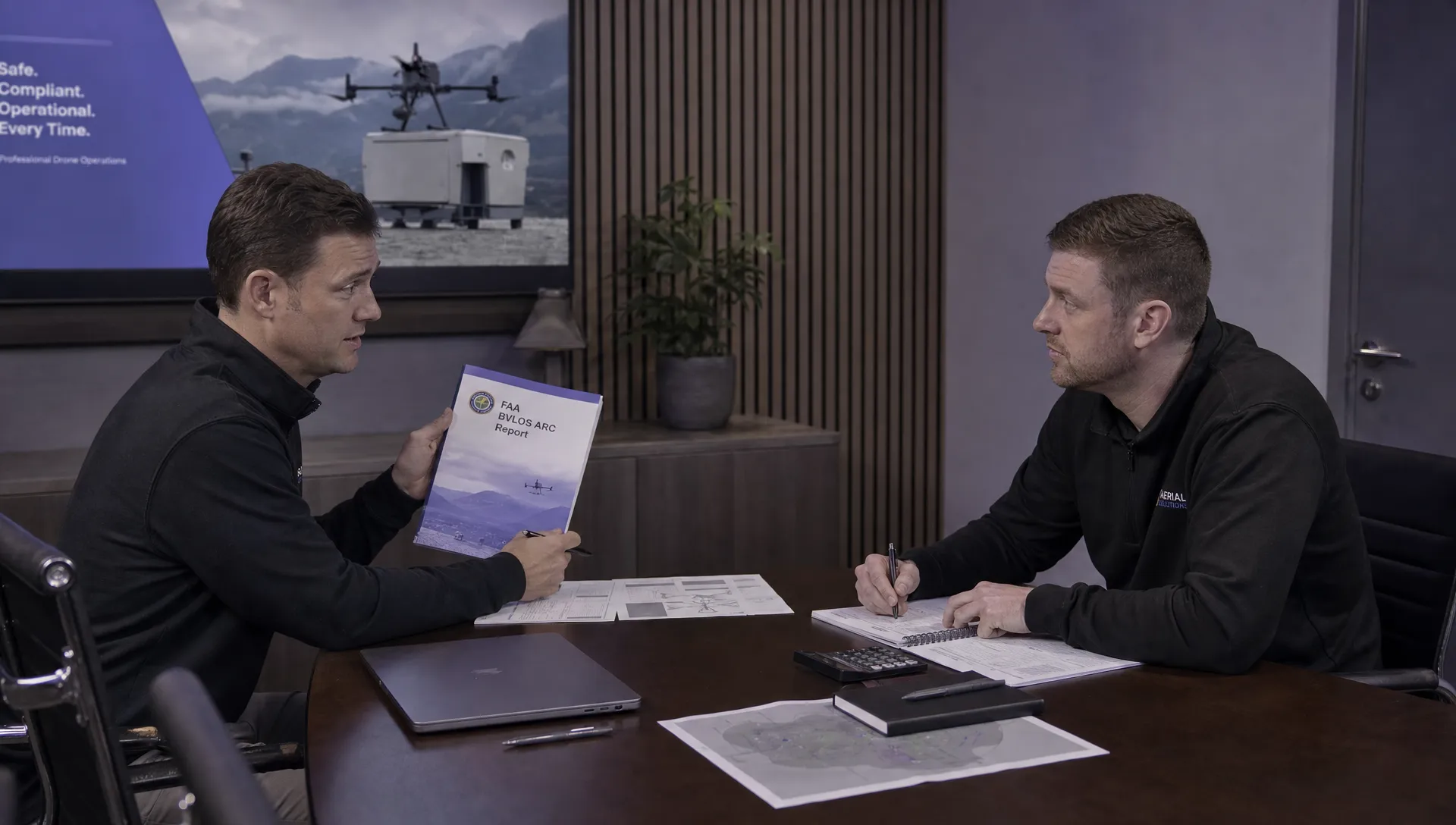 How to Find and Read the FAA BVLOS ARC Report →
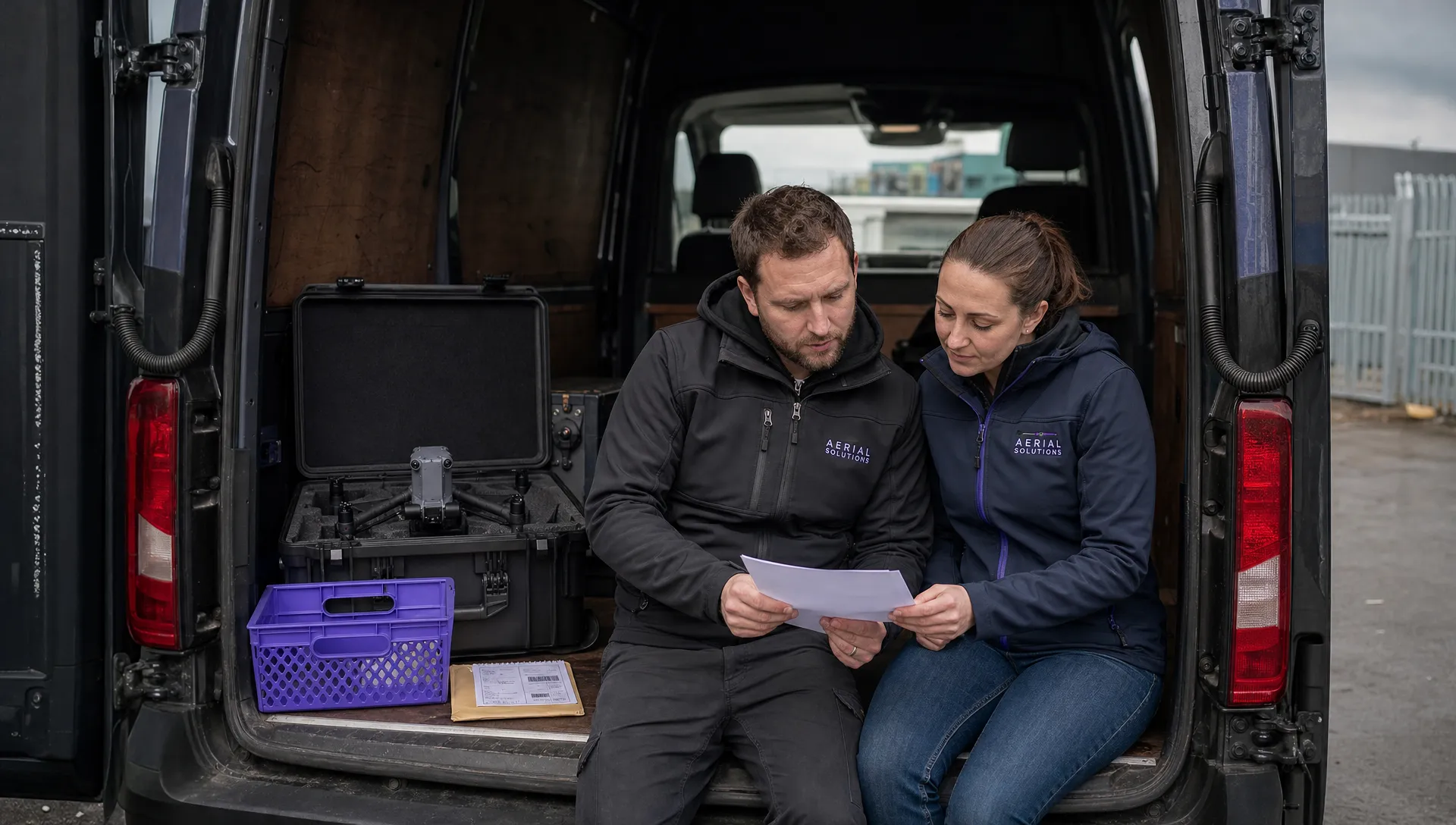 FAA Drone Registration Rules When Transferring Company Assets →
 Remote Pilot Competency Evidence for Utility Procurement Teams →
 Drone Flight Log Fields to Standardise in Excel Across Teams →
 How to Preserve Original Data With a DJI Flight Log Converter →