
Drone Regulations Under 250 Grams for Mixed-Weight Fleets
For mixed-weight fleets, drone regulations under 250 grams are easy to misapply. A lightweight aircraft may be suitable for one assignment, but that does not make it interchangeable with every other drone in the equipment cupboard. Batteries, accessories, operating location and mission requirements all belong in the decision about which aircraft to dispatch.
Verification notice: Live verification of the official regulatory pages was not available for this draft. The guidance below therefore provides a fleet-management workflow rather than confirmed current legal requirements. Complete the official-source checks before publication or using this article to approve flights.
Keep one fleet policy, but separate aircraft configurations
A mixed-weight fleet needs a consistent management process without assuming that every aircraft has the same operating conditions. Standardise how your team checks requirements, records decisions and handles changes. Keep the conclusions specific to the aircraft and mission.
The practical unit of control is the aircraft configuration, not simply the model name. Record the airframe, battery, fitted accessories and intended payload together. A different battery or attachment should prompt a review rather than inherit the previous configuration’s approval automatically.
This is a focused part of managing a growing drone fleet: knowing not only what equipment you own, but which configurations your team has assessed for particular work.
Check drone regulations under 250 grams against the right authority
Start with the jurisdiction where the flight will happen. Do not transfer a registration conclusion, pilot qualification assumption or operating permission from another country just because the aircraft is unchanged.
Use the relevant official source to establish the applicable requirements:
| Operating region | Official starting point | Questions to resolve for the mission |
|---|---|---|
| United Kingdom | UK Civil Aviation Authority drone guidance | Which identification, competency, aircraft classification and operating conditions apply? |
| United States | FAA guidance on Part 107 | Which operating framework fits the activity, and what registration, pilot and aircraft requirements follow? |
| Countries applying EASA rules | EASA’s explanation of the European drone regulatory system | Which category, aircraft classification and national procedures are relevant? |
These are starting points, not substitutes for checking the intended site. Follow the authority’s current guidance to any applicable national registration service, geographical-zone information or authorisation process.
Record the conclusion, not just the link
A useful source check answers a specific question. “CAA website checked” tells a dispatcher very little. A stronger record identifies the requirement reviewed, the aircraft configuration concerned, the conclusion reached and who completed the check.
When assessing drone regulations under 250 grams, distinguish between the aircraft’s advertised weight, its measured flight-ready mass and any manufacturer-defined maximum take-off mass or classification relevant to the rule. Establish which measure the official requirement actually uses.
Save the source URL and the date of the check alongside the decision. Set review triggers for changes in equipment, jurisdiction or official guidance. This makes the process repeatable without pretending that an old assessment remains valid indefinitely.
Make weight a configuration control, not a brochure number
A product description is useful for purchasing, but a dispatch decision needs a record of the equipment actually being sent out.
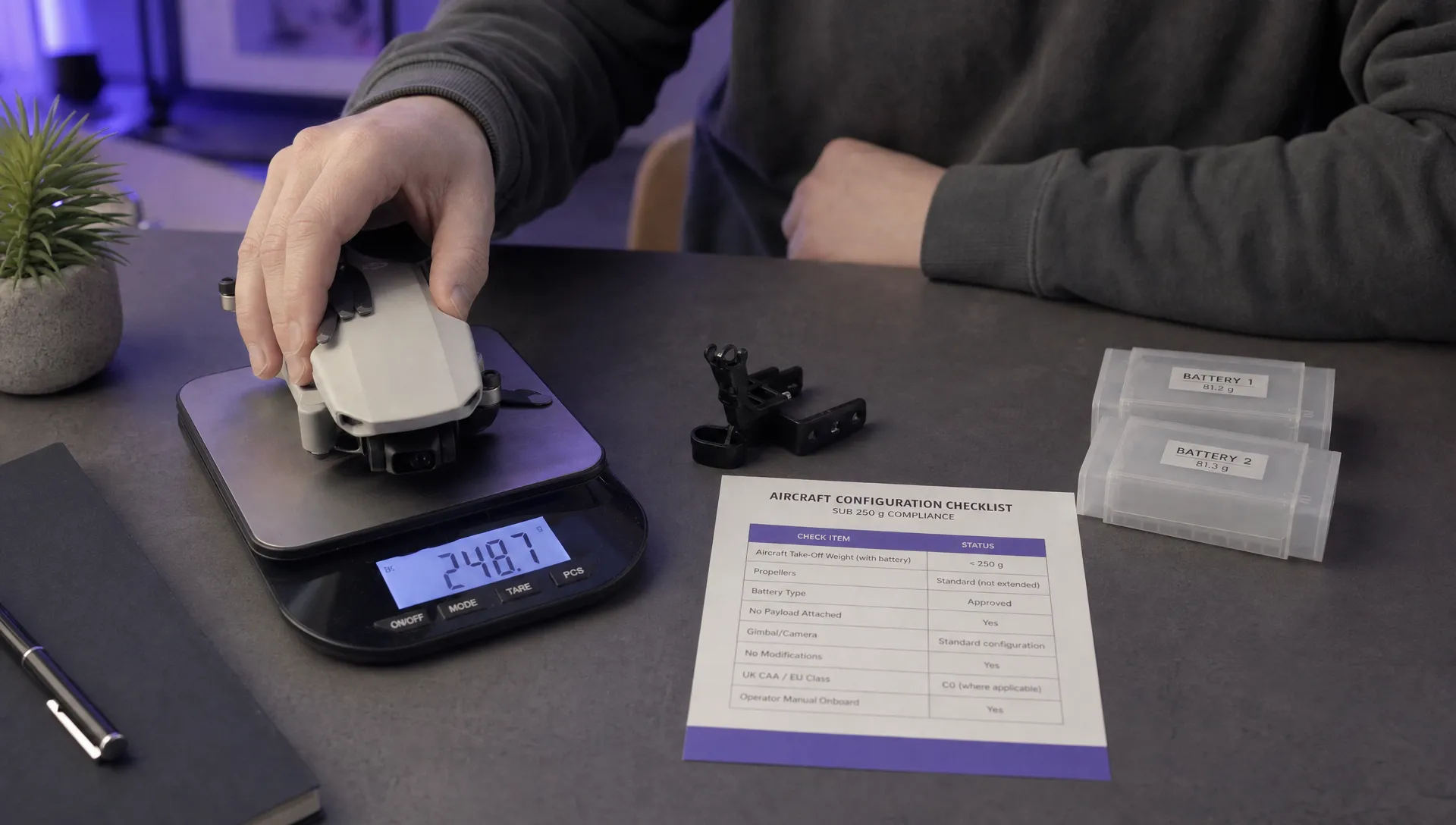
Weighing the flight-ready aircraft is a practical inventory check. Include the selected battery and everything attached to the aircraft. However, do not assume a scale reading overrides a manufacturer’s classification, maximum take-off mass or the conditions attached to an operating permission.
The following examples illustrate configuration changes, not legal classifications:
| Illustrative configuration | Measured mass | Fleet-management action |
|---|---|---|
| Aircraft with its standard battery | 249 g | Record this specific combination and verify its applicable requirements |
| Same aircraft with a 12 g attachment | 261 g | Create a separate configuration record and reassess the operating assumptions |
| Aircraft with an alternative battery | Not yet measured | Measure the complete configuration and check manufacturer compatibility before assessment |
| Replacement aircraft of the same model | Not yet checked | Confirm its identity, configuration and documentation rather than copying approval blindly |
A spare component can change more than weight. An attachment might also affect handling, visibility or manufacturer-supported use. Those questions belong in the configuration review even when a weight threshold is not crossed.
The operational lesson from drone regulations under 250 grams is to check the basis for a claimed entitlement, not merely to chase a number on a scale. Do not remove required identification or safety equipment simply to achieve a preferred reading.
Build an explicit release-to-fly check
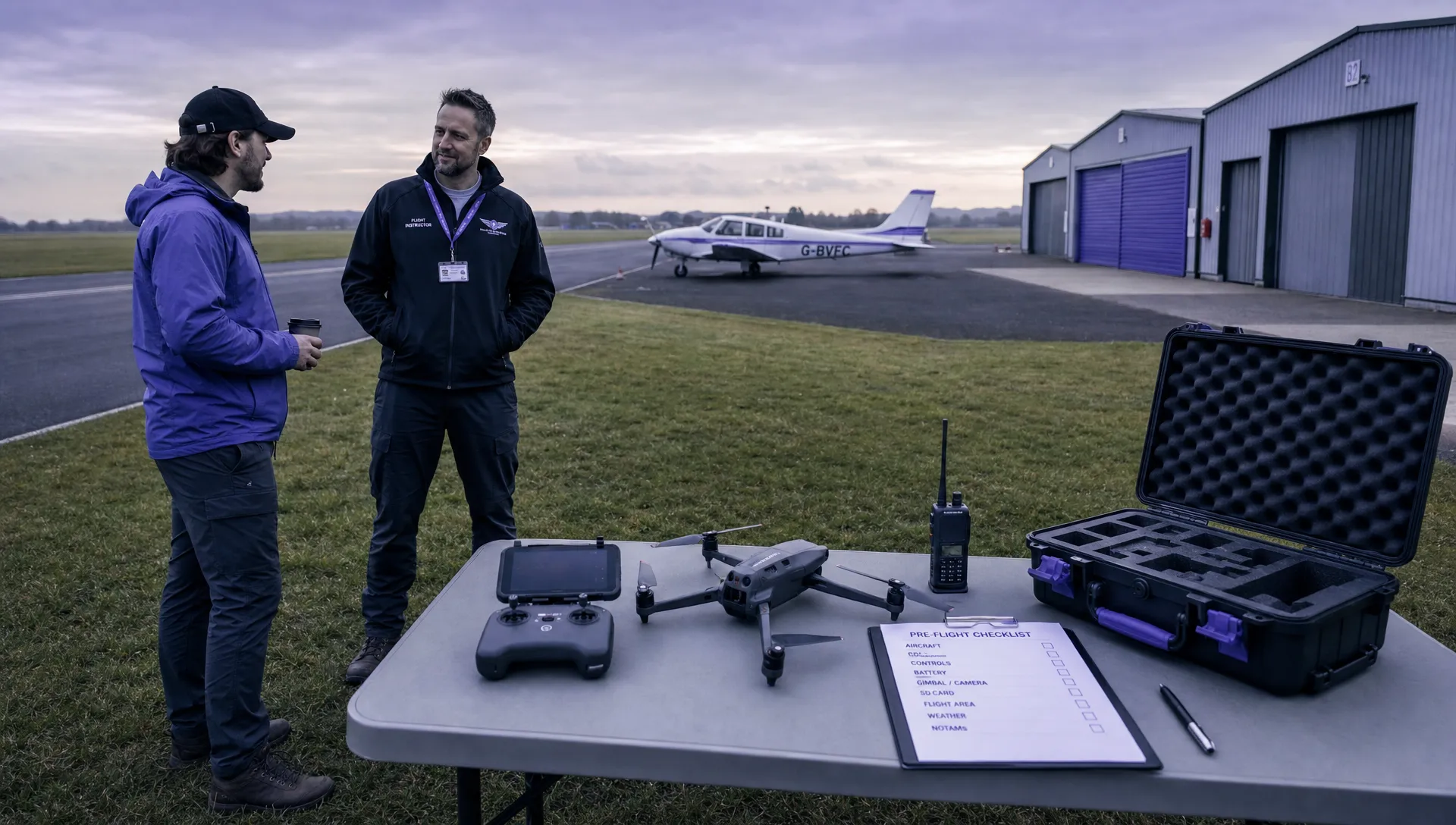
Give the dispatcher or remote pilot a short, repeatable set of questions. The checklist should support a decision, with a clear route for unresolved items, rather than collect ticks after the aircraft has already been selected.
Before releasing the equipment, confirm:
- Aircraft identity: Does the serial number match the aircraft assessed for this job?
- Configuration: Do the battery, payload and accessories match the recorded combination?
- Operating framework: Has the relevant jurisdiction and mission type been checked against official guidance?
- People and permissions: Have applicable operator, pilot and authorisation requirements been resolved?
- Site conditions: Have airspace, nearby people, take-off access and other location-specific constraints been assessed?
- Changes: Has anything changed since planning that requires another review?
An unresolved answer should lead to a hold, reassessment or escalation within your organisation. A useful internal rule is that changing aircraft does not automatically preserve the original mission approval.
Keep safety assessment separate from regulatory classification. Your assessment should still examine wind, obstacles, communications, the operating environment and the consequences of a loss of control. “Lightweight” is not a complete risk assessment.
Plan for aircraft substitutions before they happen
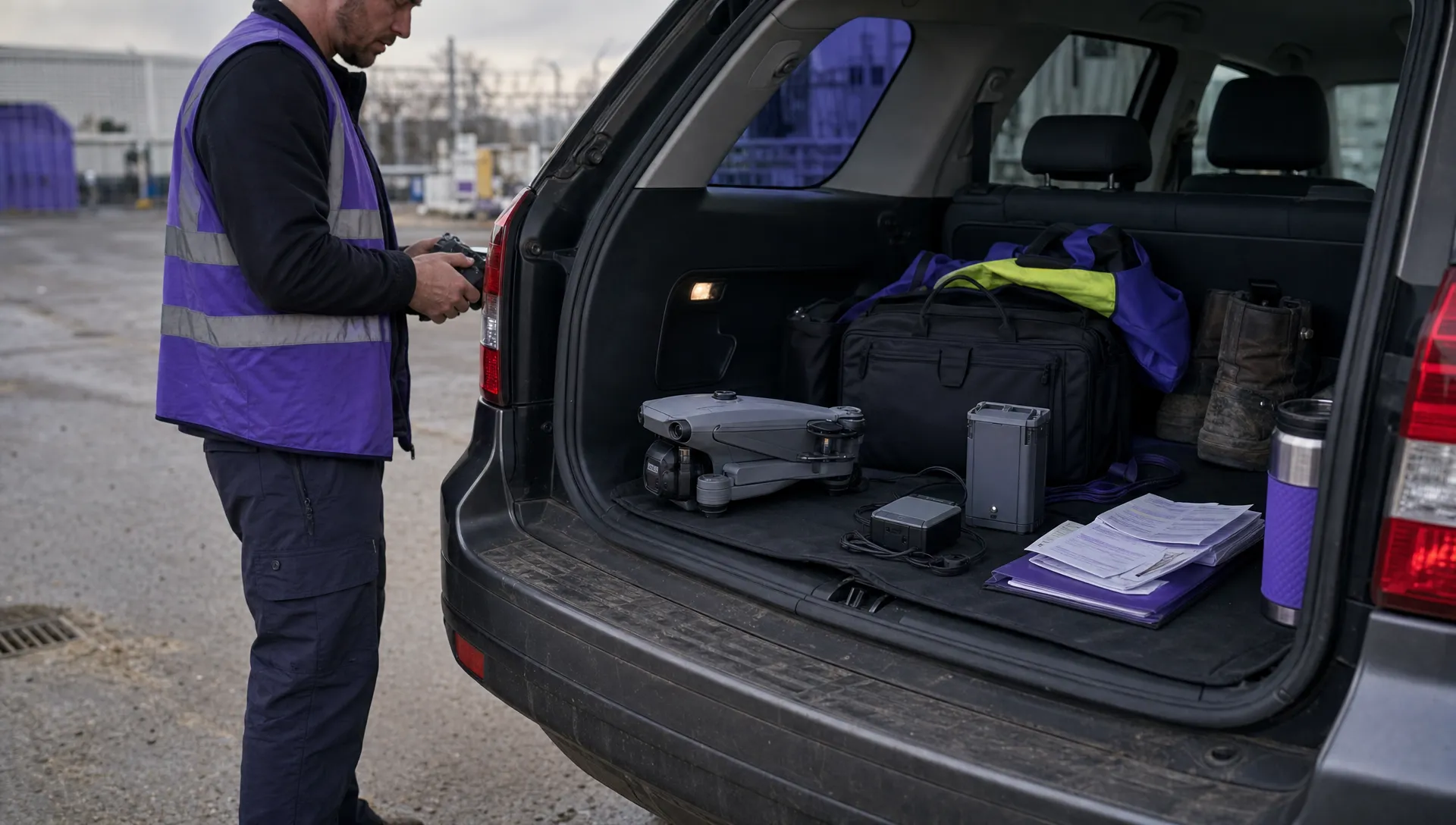
Consider a utility inspection initially assigned to a lightweight camera drone. On site, the team discovers that the work needs a thermal payload carried by a heavier aircraft.
The location and customer have not changed, but the equipment and proposed operation have. The replacement should trigger a review of the aircraft configuration, pilot suitability, operating framework and site assessment. A booking approved for one combination should not silently become approval for another.
The reverse substitution deserves attention too. Sending a lighter drone instead of the planned inspection platform may change what evidence the team can collect, its weather tolerance or the safe stand-off distance needed for useful imagery.
Apply drone regulations under 250 grams to the configuration actually proposed for the flight, not the aircraft named in the original booking. Alongside that check, confirm that the replacement can complete the task safely and produce the required deliverable.
A practical planning improvement is to identify alternatives in advance. Record what must be reassessed before each alternative can be used, rather than leaving the crew to improvise the process at the site.
Keep a record that explains the decision
For each mission, retain enough information to connect the planned operation with the equipment actually flown. A useful record includes the aircraft identity, configuration reference, pilot, location, assessment and any changes accepted before take-off.
For drone regulations under 250 grams, the valuable evidence is the reasoning behind the decision. A generic “under 250 g” tag cannot explain which battery was fitted, what rule was checked or why that aircraft was considered suitable for that assignment.
Flight logs can help reconcile the plan with what happened. Review aircraft identity, flight times and relevant operational events alongside the mission record. For DJI log review, Dronedesk’s DJI flight log analysis tool is a resource to consider as part of that process.
Keep the limits of each record clear. Telemetry does not, by itself, establish that registration, pilot competency, site access or an operating permission was in place. Configuration records, official-source checks and flight logs answer different questions; linking them makes an internal review more useful.
Frequently asked questions
What do I need to check before flying a drone weighing less than 250 g? Identify the operating country, aircraft configuration and purpose of the flight. Then use the relevant aviation authority’s current guidance to establish applicable registration, competency, aircraft and operating requirements. Complete a separate site and safety assessment rather than treating weight as the whole decision.
Do drone regulations under 250 grams make neighbourhood flights automatically acceptable? Do not assume they do. Assess the proposed location, nearby people, airspace, take-off access and privacy considerations. A small aircraft or a familiar neighbourhood is not enough information to approve a flight.
How should a team register a DJI drone? First establish whether and how registration applies under the relevant aviation authority’s current rules. Follow that authority’s process and keep any required records associated with the correct operator or aircraft. Do not treat manufacturer account activation as evidence that an aviation registration process has been completed.
Does changing the battery require a new review? Make it a review trigger in your fleet procedure. Confirm compatibility, complete configuration mass and whether the change affects the basis of the previous assessment. The outcome may be straightforward, but it should be deliberate and recorded.
Can emergency-service or utility work use the same checklist? The same verification structure can support both, but the conclusions may differ. Check the applicable operating framework and any relevant permissions for the particular activity. Do not assume the organisation’s role settles those questions.
Turn the checks into a consistent fleet workflow
Start with your commonly used aircraft configurations. Give each one a clear record, identify the official checks it needs and define what triggers reassessment. Then connect those records to dispatch and post-flight review.
When evaluating software to support that process, compare your requirements with Dronedesk’s published features. Assess the documented capabilities against your mixed-fleet workflow rather than assuming that any platform, or any aircraft weight, establishes compliance on its own.
 Drone Regulations Under 250 Grams for Mixed-Weight Fleets →
 Drone Safety Guidelines for Working Near Water →
 FAA Rules and Regulations for Drones on Shared Worksites →
 Drone Pilot 107 Refresher Training After a Career Break →
 How to Track Drone Regulations Worldwide as a Business →
 FAA Rules for Flying Drones at Night During Emergency Missions →
 How to Onboard an FAA 107 Pilot for Utility Inspections →
 FAA Drone Rules for Commercial Use on Construction Sites →
 When Should You Retire a Commercial Drone? →
 Drone Fleet Management Software - The Platforms That Failed, and the Ones Still Flying →