
Remote Pilot Competency Evidence for Utility Procurement Teams
A tender asking for “remote pilot competancy” should request more than a folder of certificates. For a utility procurement team, the useful question is whether the proposed pilots can carry out the specified inspection safely, within the applicable operating conditions and with evidence that stands up to review.
A qualification can support that assessment, but it does not demonstrate familiarity with your substations, transmission corridors or access arrangements. Equally, a large flight-hours total says little unless those flights involved comparable aircraft, tasks and operating conditions.
The strongest approach separates three decisions: whether the supplier has identified an appropriate operating basis, whether each nominated pilot meets the relevant competence requirements and whether the team can deliver your particular scope of work. Keep those decisions separate in the evaluation record. This UK-focused framework explains what to request, how to test it and which gaps should stop a contract moving into mobilisation.
What “remote pilot competancy” evidence should establish
Competency evidence should connect a named person to a defined task. A generic statement that a company has “qualified pilots” leaves too much unanswered when different people may attend different sites.
Ask the supplier to nominate its proposed pilots and identify who will approve their assignment to each type of inspection. The evidence should explain their relevant training, assessed practical ability and recent experience. It should also identify limitations, supervision needs or further familiarisation required before deployment.
Keep the operator and pilot records distinct. Identify the organisation responsible for the operation separately from the individuals conducting flights. Record registration information, including Operator ID or Flyer ID information where relevant, in its own part of the submission rather than treating it as evidence of practical inspection skill.
The procurement output should be a short, traceable decision: approved for the stated task, approved subject to specified conditions or not yet approved. Avoid a blanket “competent” status that hides differences between inspection tasks.
Match qualifications to the proposed operation
Define the work before naming a mandatory qualification. State the asset types, expected aircraft, inspection method and operating environment. Include whether the work involves an isolated rural site, public access nearby or coordination with other activities on an operational asset.
Require the supplier’s technical lead to identify the proposed operating category and any authorisation relied upon. Ask them to explain how the nominated pilots’ qualifications support that operating basis, with references to current UK Civil Aviation Authority drone guidance.
For certificates described as GVC, RPC-L1 or another qualification, request the exact document title, issuer, issue date and any stated conditions. Do not assume that differently named qualifications are interchangeable, or infer current recognition from a training provider’s marketing page.
Your “remote pilot competancy” requirement should therefore ask for a documented match between the qualification, the proposed operation and the named pilot. Avoid specifying one certificate for every contract without a technical justification.
Qualification recognition and transition arrangements need checking against current official guidance at the point of evaluation. Record the source and review date rather than copying an unsupported phase-out claim into future tenders.
Verify the document, not the badge
A certificate image is a starting point, not a completed check. Match the holder’s name to the nominated pilot and inspect the document for its scope, assessment details and any stated validity conditions. If anything is unclear, seek confirmation through independently obtained issuer contact details.
Where the supplier claims that a training organisation or qualification has CAA recognition, ask for the relevant current CAA reference. Check the precise recognition being claimed rather than accepting a provider’s use of a logo as sufficient evidence.
Also distinguish attendance from assessment. A course-completion document may describe learning undertaken without showing what practical performance was assessed. Request the assessment outcome and enough supporting detail to understand its relevance, without demanding unnecessary personal information.
For each “remote pilot competancy” submission, retain a verification note identifying the document checked, the reviewer and any unresolved query. A brief record is more useful than an unexplained tick beside “certificates received”.
Set eligibility and assessment requirements before bidding
Publish the evidence standard with the tender. Suppliers should know which documents are mandatory at submission, which checks follow shortlisting and what must be resolved before mobilisation. This prevents inconsistent requests after bids have been priced.
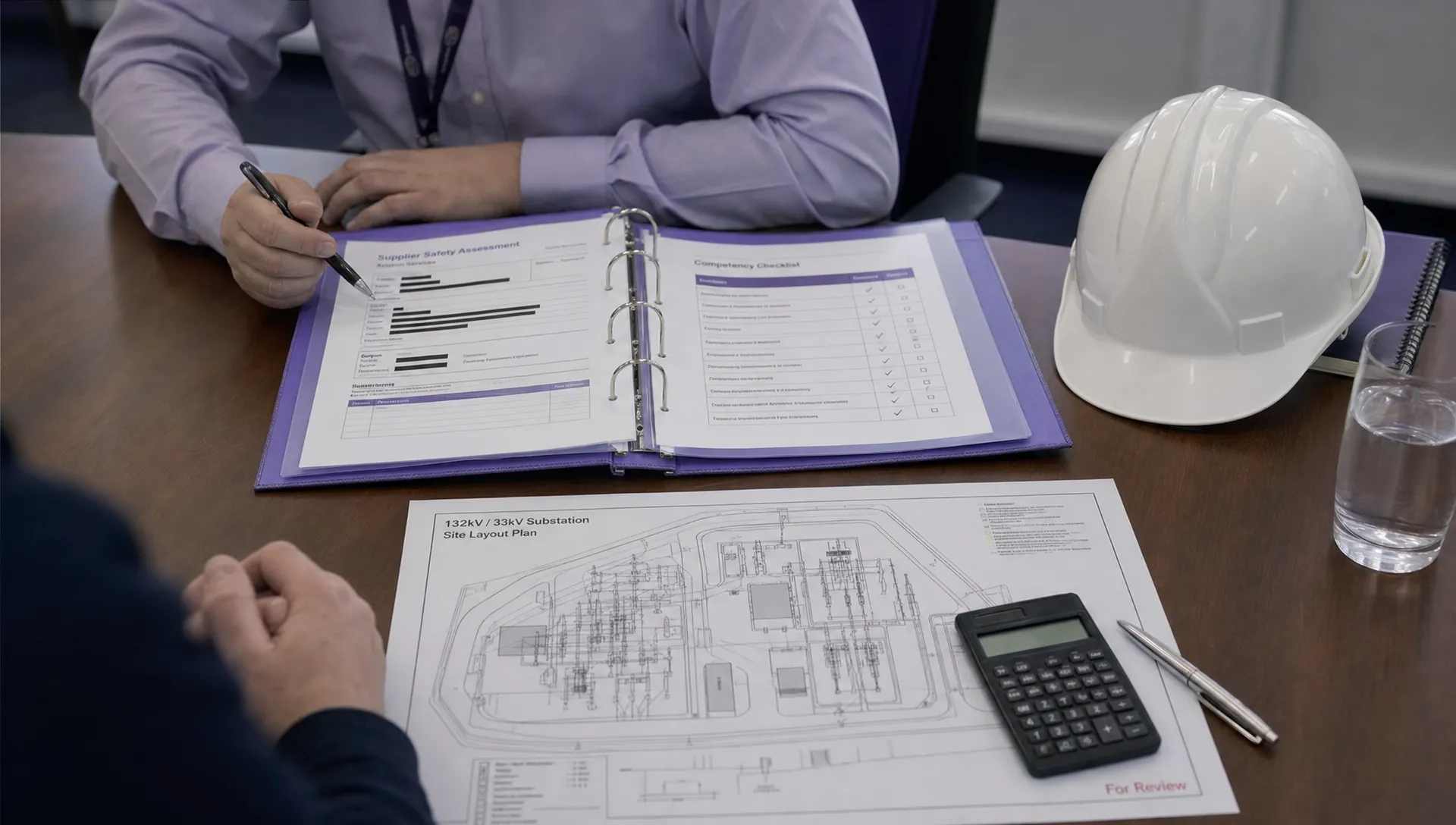
Separate qualifications from client-specific eligibility. Your contract might require an asset induction, an observed inspection exercise or familiarisation with a particular aircraft and payload. Describe these as your procurement requirements unless you have verified a separate regulatory basis for them.
Ask for a training and assessment summary showing the skills covered, the aircraft used and how satisfactory performance was established. Where a pilot is new to the proposed task, request a supervised development plan rather than accepting unrelated experience as a substitute.
A defensible “remote pilot competancy” standard allows suppliers to demonstrate equivalent task capability where appropriate, while making the acceptance criteria explicit. State who can approve equivalence and what evidence they need. Avoid letting an evaluator waive a requirement without recording why the alternative meets the contract’s needs.
Test judgement against utility inspection scenarios
An interview or practical assessment should test decisions that arise on your assets. Ask the supplier to explain how its pilots would prepare for the work, recognise changing conditions and stop when the inspection cannot proceed as planned.
For a substation task, present a scenario in which the planned launch area is unavailable and access restrictions have changed. Assess whether the pilot pauses to reconsider the plan and seeks the right site input. Do not reward an immediate promise to complete the job regardless.
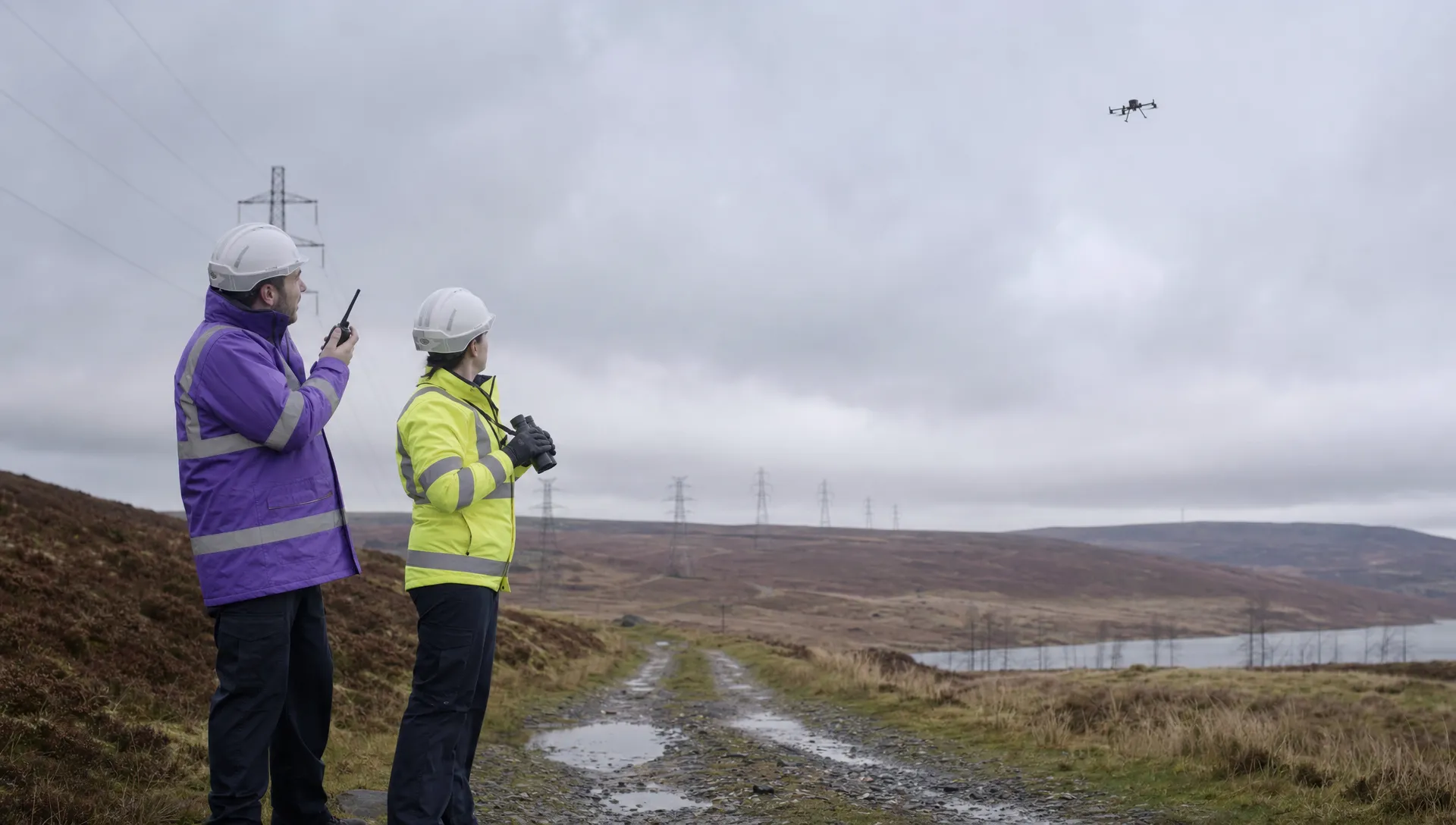
For a transmission corridor inspection, introduce a change in wind conditions, an aircraft warning or unexpected public access. Ask the pilot to explain their decision sequence using the proposed aircraft’s procedures. The assessment should reveal judgement, not merely recall of technical vocabulary.
Keep flight safety and inspection quality as separate assessment headings. A pilot may control the aircraft well but misunderstand the images needed by the asset engineer. Conversely, good imagery does not excuse weak flight decisions. Record both findings and identify who is qualified to assess each.
Any practical demonstration should have an agreed scope and acceptance criteria before it begins. Avoid improvising an assessment beside live infrastructure simply to make the exercise appear realistic.
Review flight evidence without mistaking hours for competence
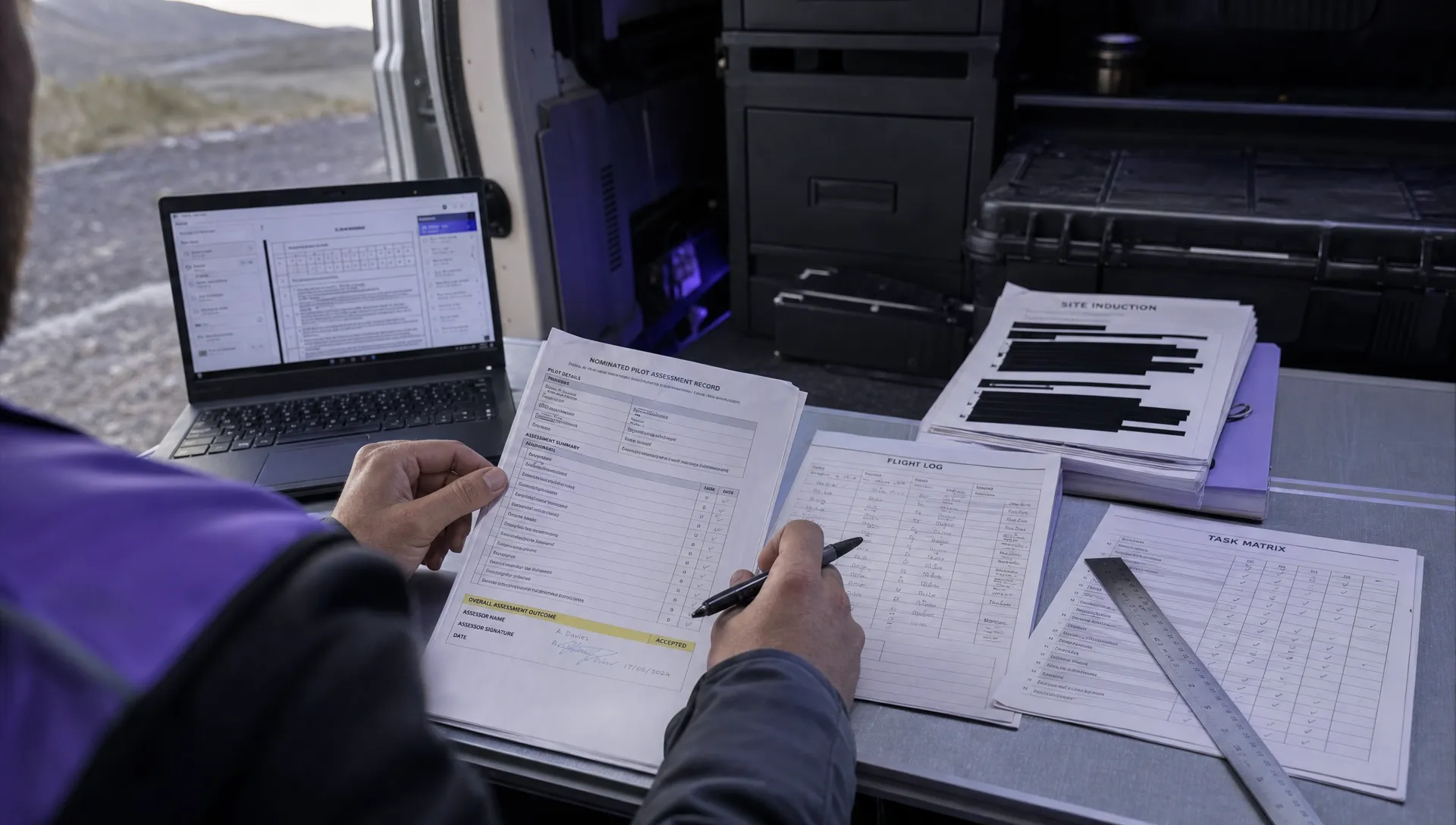
Request a relevant sample of flight records rather than an unexplained lifetime total. Useful entries connect a pilot, aircraft and date to a task, with enough context to understand the conditions and any associated training or supervision.
Look for experience comparable to the proposed work. Repeated flights at a familiar training site may provide less evidence for your inspection scope than a smaller number of well-documented assignments involving similar assets and constraints. That is an evaluation judgement, not a universal hours formula.
If you set a reporting window, label it clearly as a buyer-defined requirement. For example, requesting the previous 90 days of relevant activity can help structure a review, but should not be presented as a CAA currency rule.
For “remote pilot competancy” checks, connect flight records to assessment findings and any refresher training. A gap in flying should trigger a proportionate review of readiness rather than an automatic assumption of either competence or incompetence.
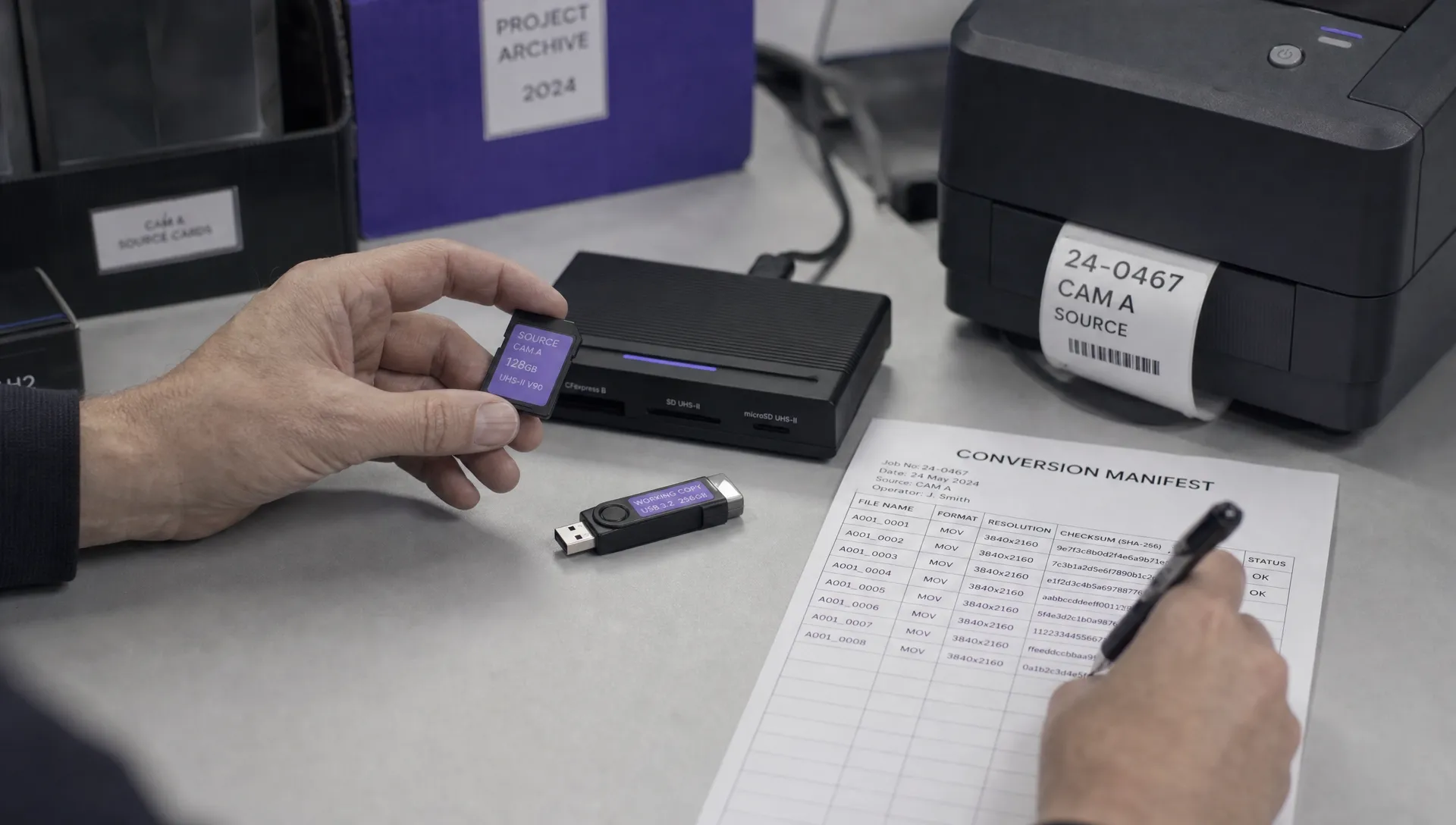
For DJI flight records, reviewers can consult Dronedesk’s DJI flight log analysis tool alongside the supplier’s explanation. Flight data should support the review, not replace evidence about briefing quality, site coordination or the reasons behind a decision.
Turn the evidence into a procurement decision
Use a gate-based assessment so that polished documents cannot compensate for an unresolved operating basis. A weighted score can help compare suppliers after the essential gates have been satisfied.
| Evidence area | What the reviewer should establish | Treatment of an unresolved gap |
|---|---|---|
| Proposed operating basis | The supplier has explained how the work is intended to be conducted | Refer for technical review before acceptance |
| Pilot qualifications | Named pilots have relevant, verified evidence | Seek verification or a suitable replacement |
| Task-specific assessment | Practical ability and judgement match the inspection scope | Require assessment or restrict the assigned task |
| Recent experience | Records support readiness for the proposed work | Consider refresher training or reassessment |
| Delivery controls | Substitutions, supervision and review responsibilities are defined | Resolve through mobilisation conditions |
Under the “remote pilot competancy” evaluation heading, distinguish missing paperwork from missing capability. An omitted document may be resolved through a clarification process, subject to your procurement rules. An inability to demonstrate task readiness requires a substantive response, not a promise to send evidence later.
Record the reason for each decision and the person authorised to make it. This gives contract managers a usable handover rather than leaving them to reconstruct the tender evaluation.
Use a task-specific tender clause
A practical evidence request could read:
Provide a pilot-by-task competency matrix for the proposed inspection scope. For each nominated pilot, identify relevant qualifications, practical assessment evidence and recent comparable experience. Explain the operating basis relied upon and any limitations or supervision arrangements. Identify how substitutions will be assessed before deployment.
Add your document-verification process and the responsibilities of the procurement reviewer, technical reviewer and asset representative. State what happens if a pilot is not accepted for a particular task.
Keep the requested evidence proportionate. Procurement does not normally need unrestricted access to every flight file or detailed personal health information. Ask for relevant readiness declarations and task evidence, use redacted samples where appropriate and agree a secure route for sensitive asset records.
Keep competence under review after award
Tender approval should apply to the people and tasks actually assessed. Require notification before a substitute pilot is assigned, with enough time to review their evidence. Apply the same approach to subcontractors rather than relying solely on the principal supplier’s approval status.
Define review triggers in the contract. A different aircraft, a changed inspection method or an occurrence may justify reconsidering the original assessment. A long interruption in relevant flying may also require a readiness check, based on your agreed criteria.
Maintain the “remote pilot competancy” evidence as a live contract record. Show which tasks each person is approved to undertake, what conditions apply and what evidence needs review. Avoid retaining a permanent green status after the supporting circumstances have changed.
For teams considering how to organise this work, Dronedesk’s utility company case study offers a relevant starting point for discussion. Ask any proposed system provider to demonstrate how your own evidence and review process would be handled, rather than assuming that software replaces technical approval.
Frequently asked questions
Is a pilot certificate enough for a utility inspection tender? It is one part of the evidence. Buyers should also assess its relevance to the proposed operation, task-specific practical ability and recent comparable experience. Define those checks before evaluating bids.
How should procurement compare GVC and RPC-L1 submissions? Request the exact qualification details and the supplier’s explanation of their applicability. Check current recognition and any transition provisions against official CAA guidance. Do not assume equivalence or reject a submission solely because a certificate name differs from an older tender template.
Should every supplier meet the same minimum flight-hours threshold? A threshold can be a client requirement, but hours alone are a weak measure of readiness. Explain why any threshold is relevant and assess the nature of the experience alongside it.
Who should approve the evidence? Procurement can control completeness and traceability. A suitably knowledgeable technical reviewer should assess the proposed operating basis and pilot evidence, with asset specialists contributing to inspection-quality criteria. Record those responsibilities before reviewing submissions.
Build an evidence process your team can maintain
Start with a pilot-by-task matrix, a documented verification process and explicit review triggers. These make acceptance decisions easier to explain and help prevent evidence gaps during mobilisation.
When assessing software support, compare Dronedesk’s published features with your requirements and request a demonstration using a representative inspection job. Keep responsibility for accepting the evidence with the people appointed to make that decision.
 Remote Pilot Competency Evidence for Utility Procurement Teams →
 How to Preserve Original Data With a DJI Flight Log Converter →
 Beyond Visual Line of Sight Drone Operations and Observer Roles →
 How to Troubleshoot a DJI Log Export That Will Not Open →
 Drone Pilot Regulations for Visiting Overseas Contractors →
 Drone Laws Near Airports for Repeat Inspection Contracts →
 FAA Restrictions on Drones During Stadium Events Explained →
 How to Update Drone Flight Checklists After a Near Miss →
 FAA Drone Regulations for Commercial Use in Paid Training →
 What a Drone Line of Sight Waiver Means for Project Scope →